by Britney Fox
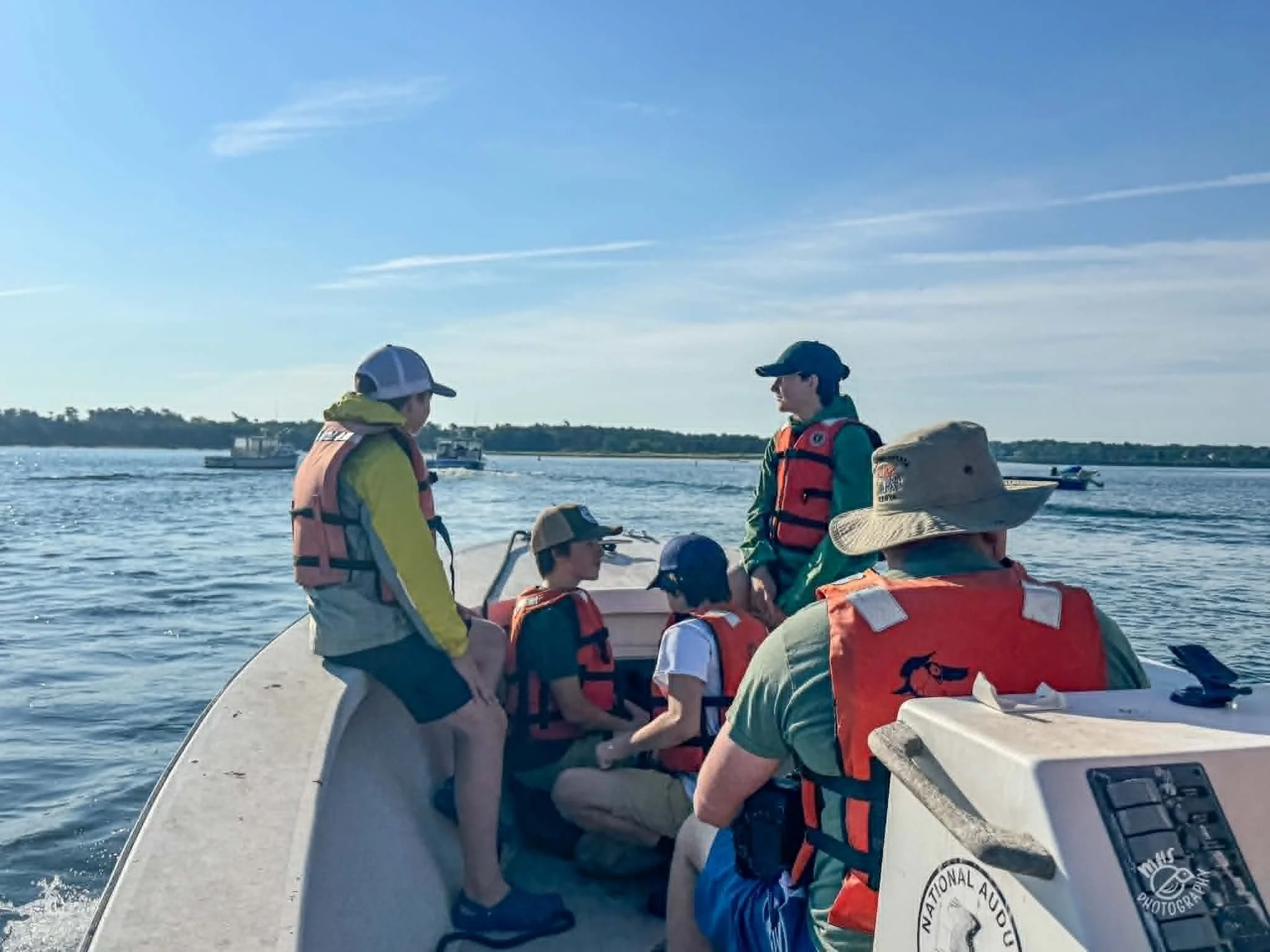
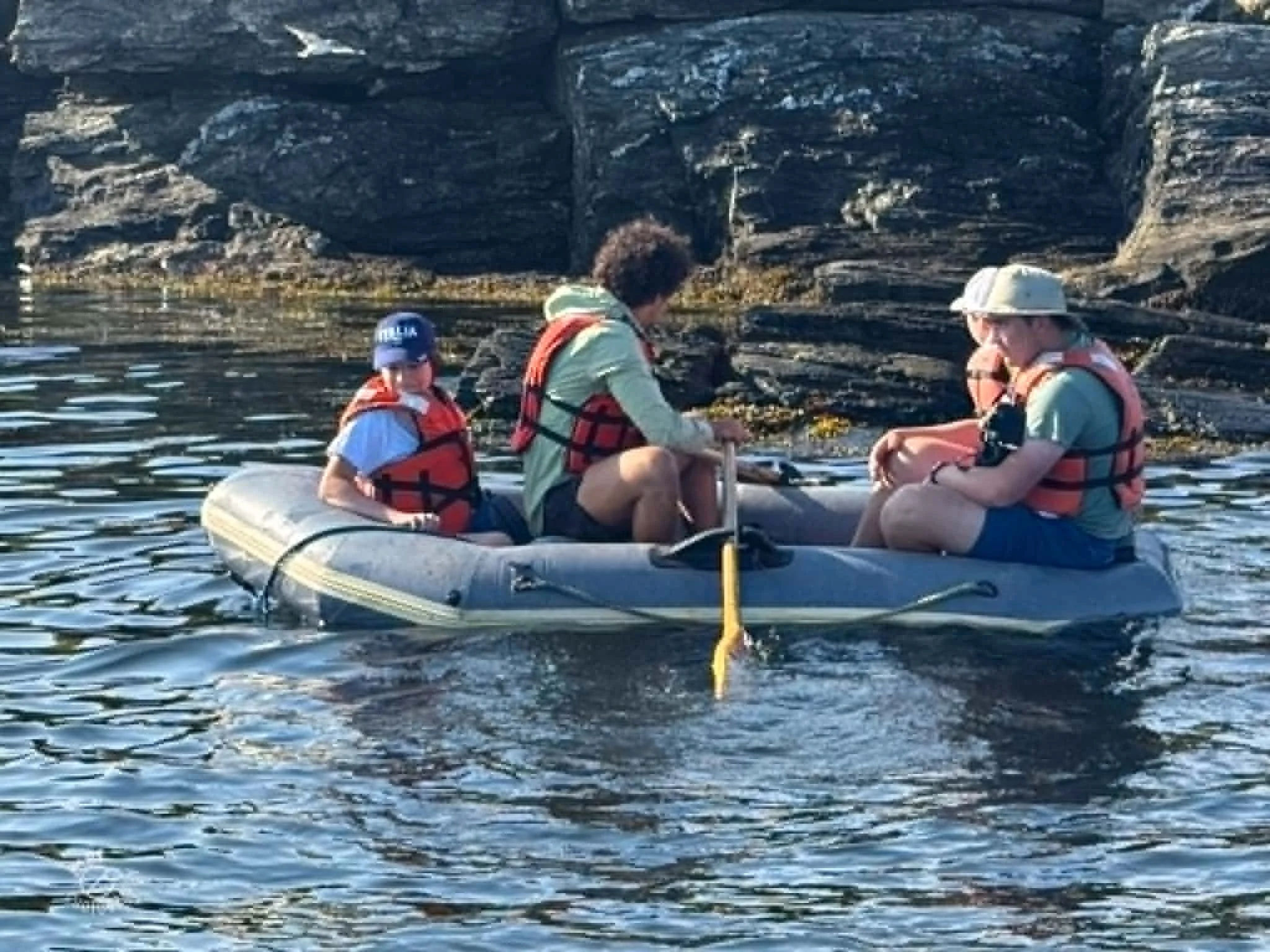
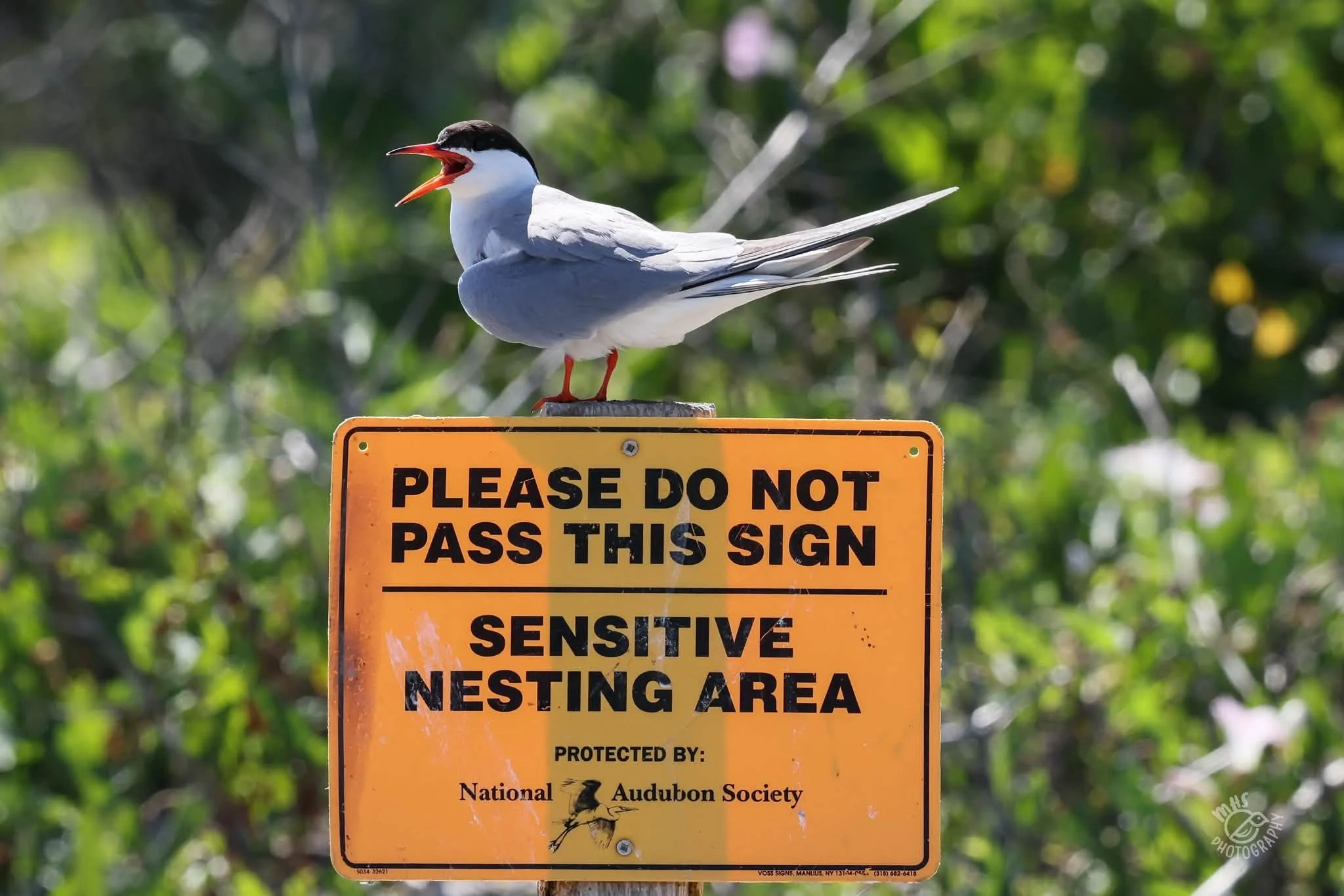
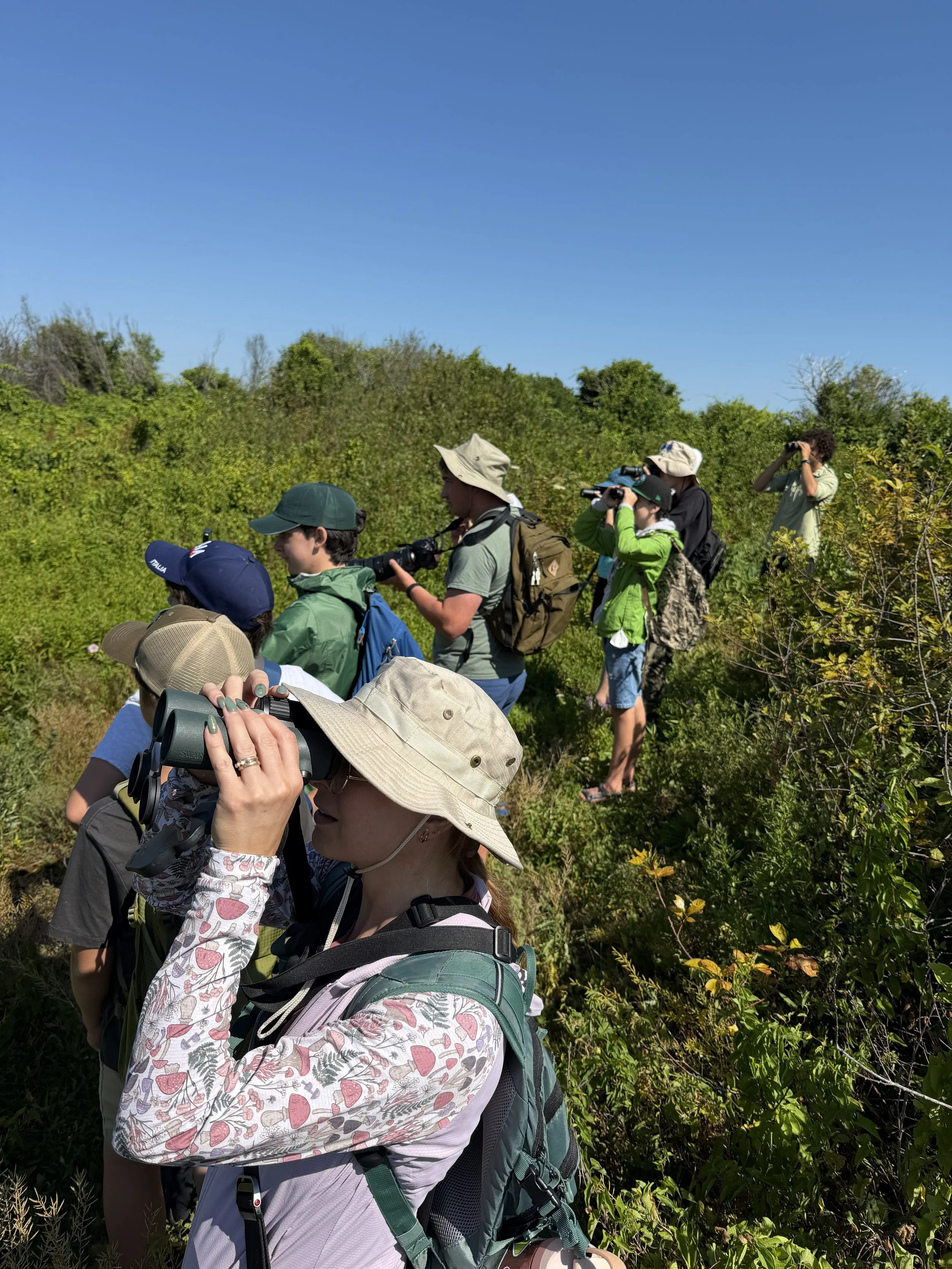
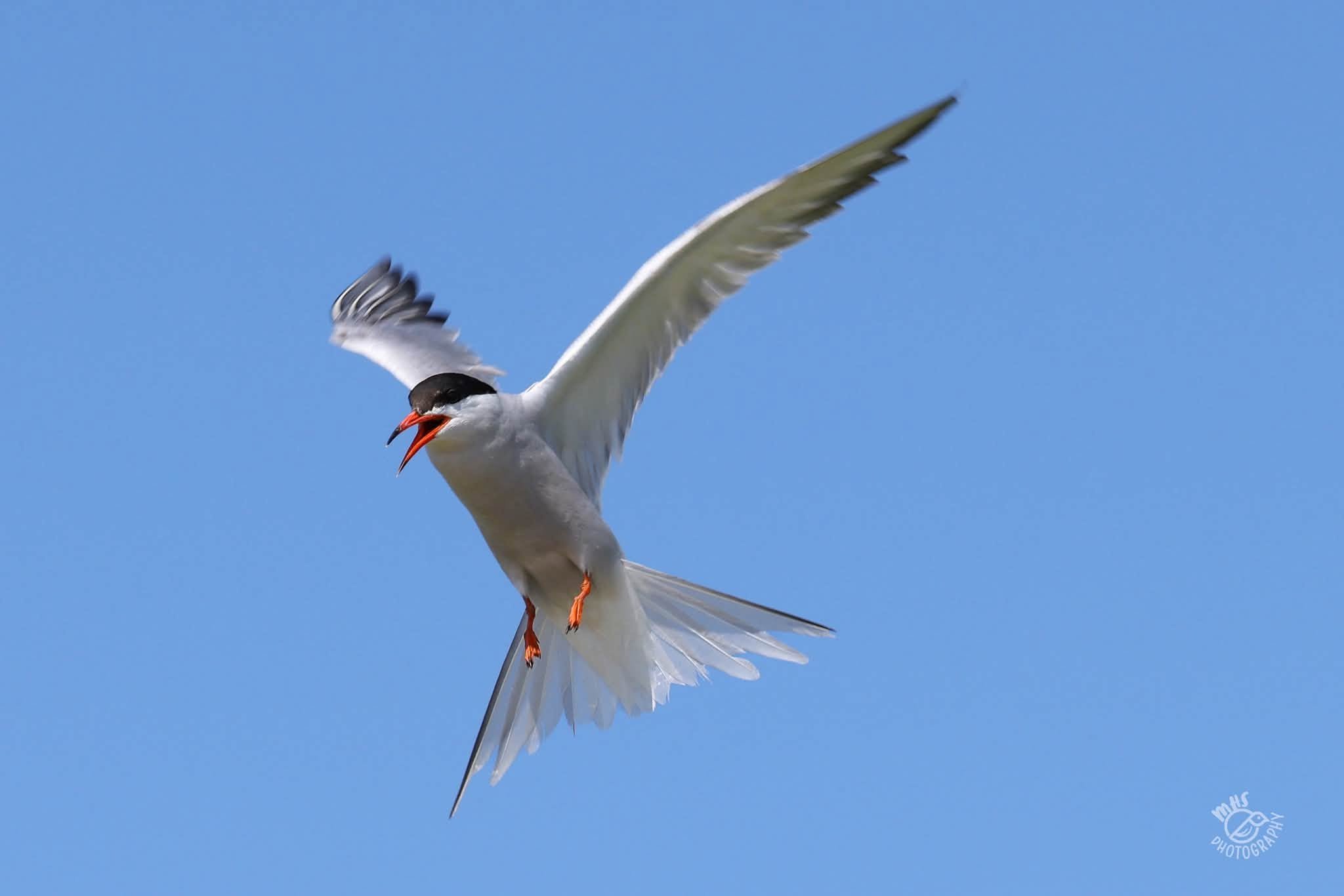
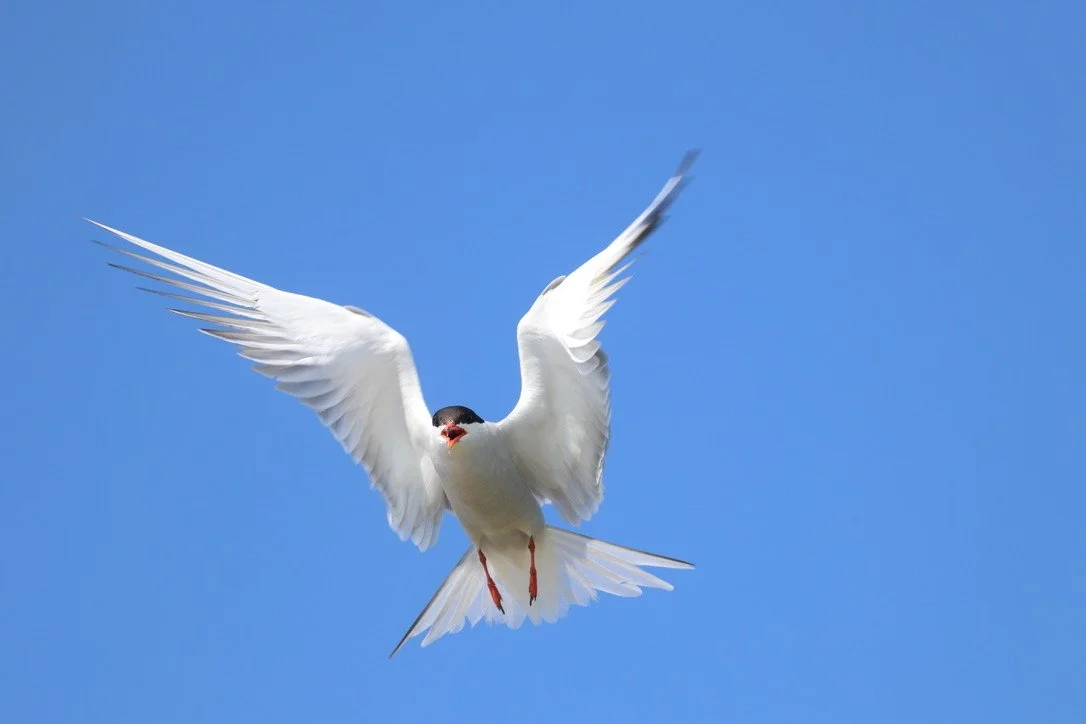
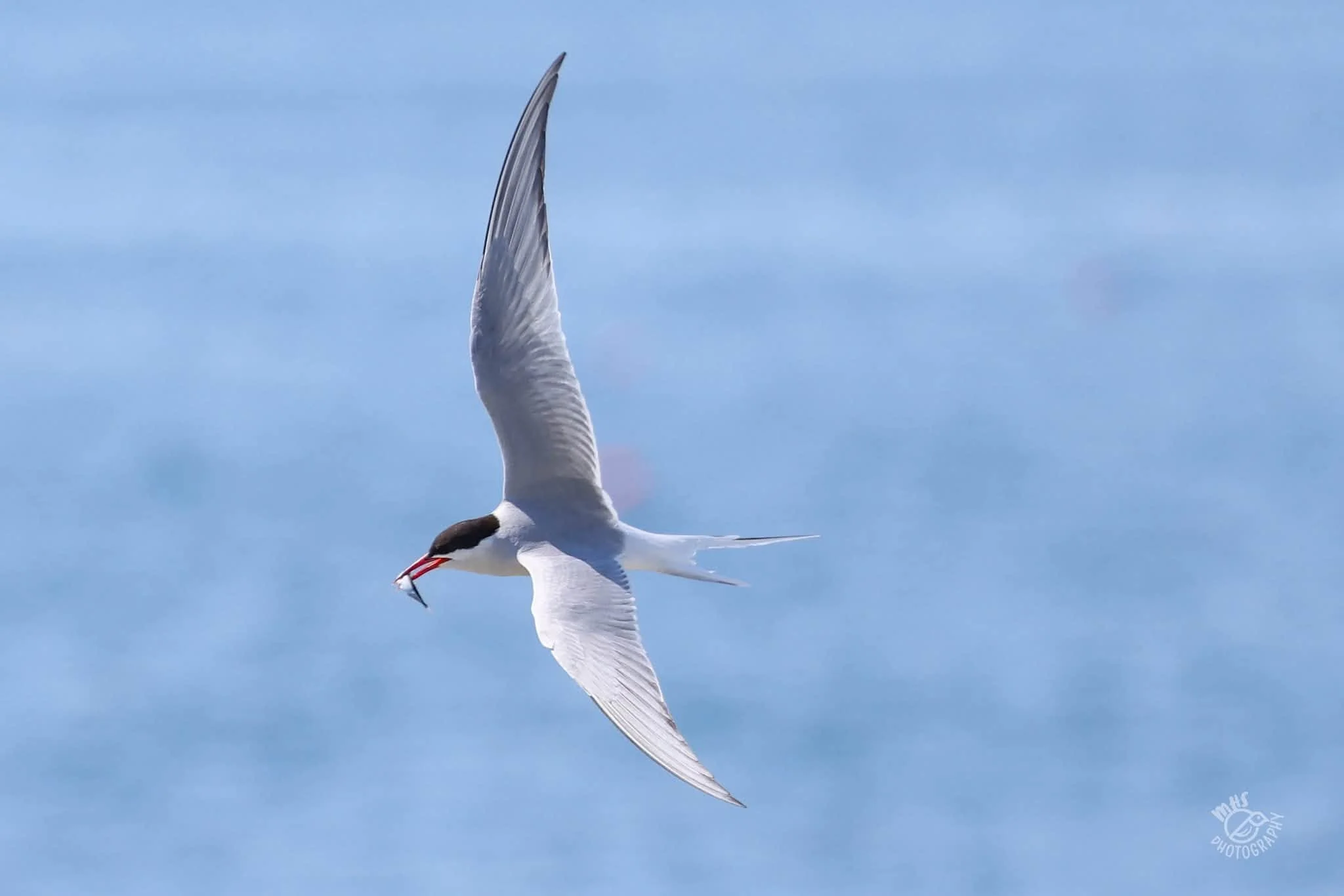
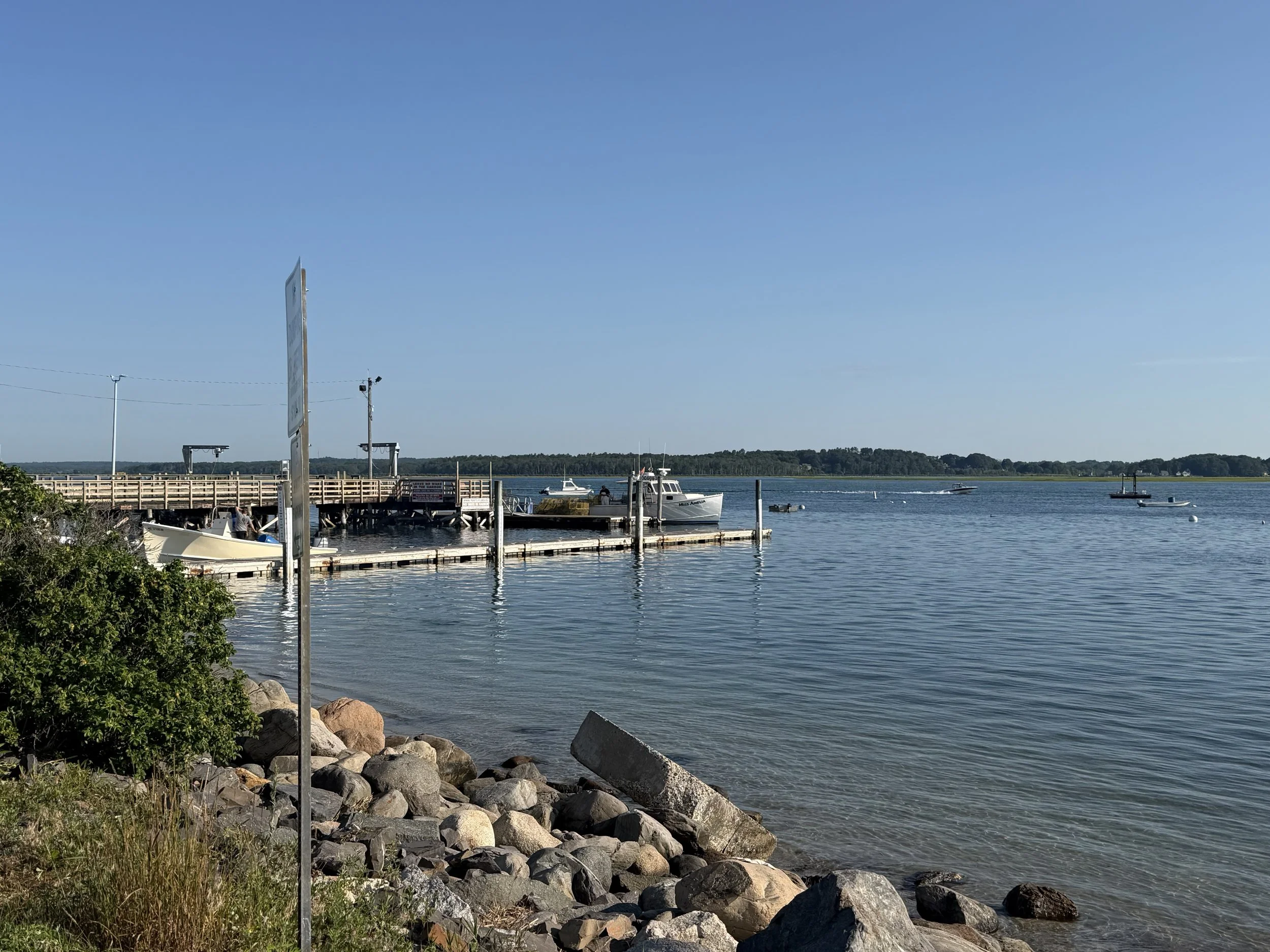
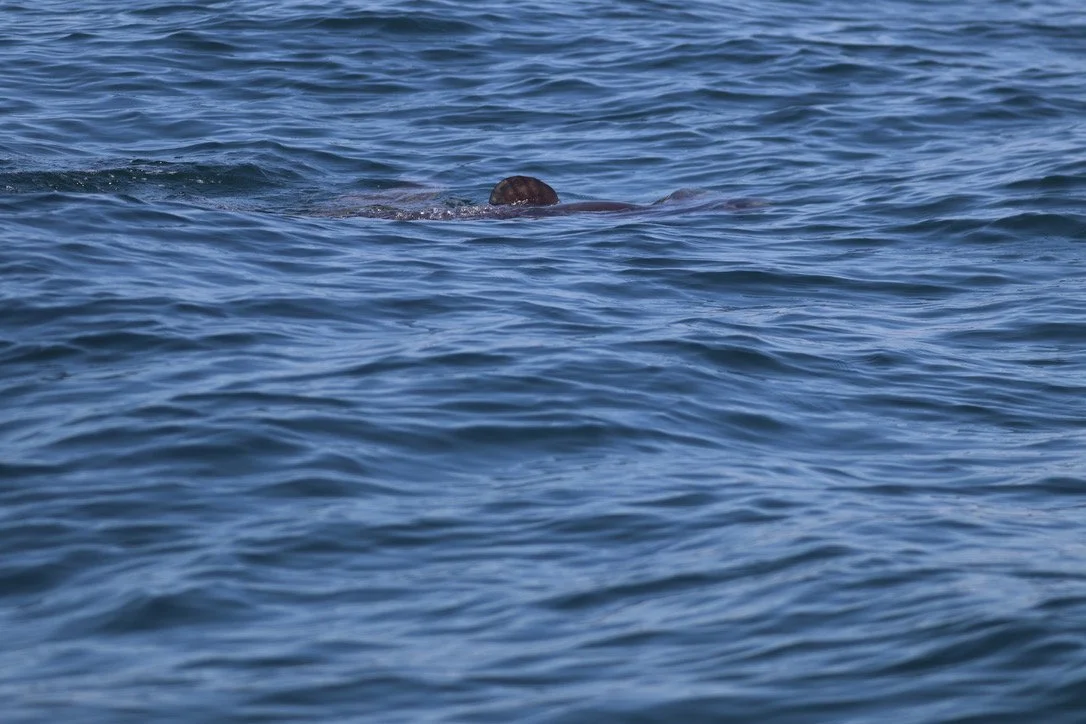
A visit to Stratton Island is always one of our very favorite trips of the year, and for good reason. This is a chance for MYBC to get a behind-the-scenes look at a fascinating island that serves as a nesting colony for an array of different species but is specifically important for the terns. When the group arrived at Pine Point, we could already see common terns (COTE) fishing and diving off the point, giving us a glimpse of what was next. We traveled to the island and back in two groups and had a beautiful ride to and from the island in perfect, sunny summer weather. Highlights of our boat trips included Wilson's storm-petrel, little blue heron, and one of our groups even got to see an ocean sunfish, otherwise known as a mola mola, on their way back!
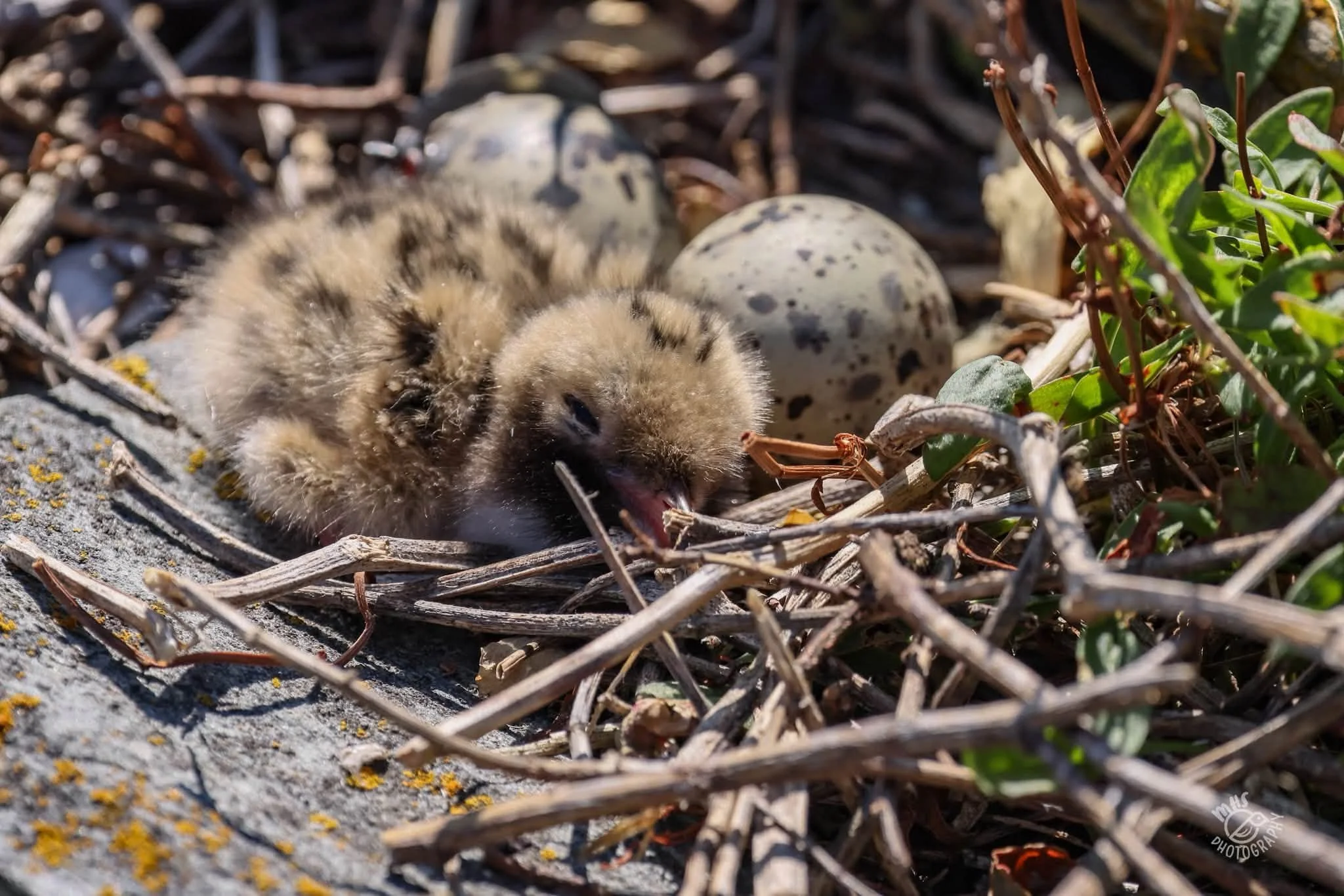
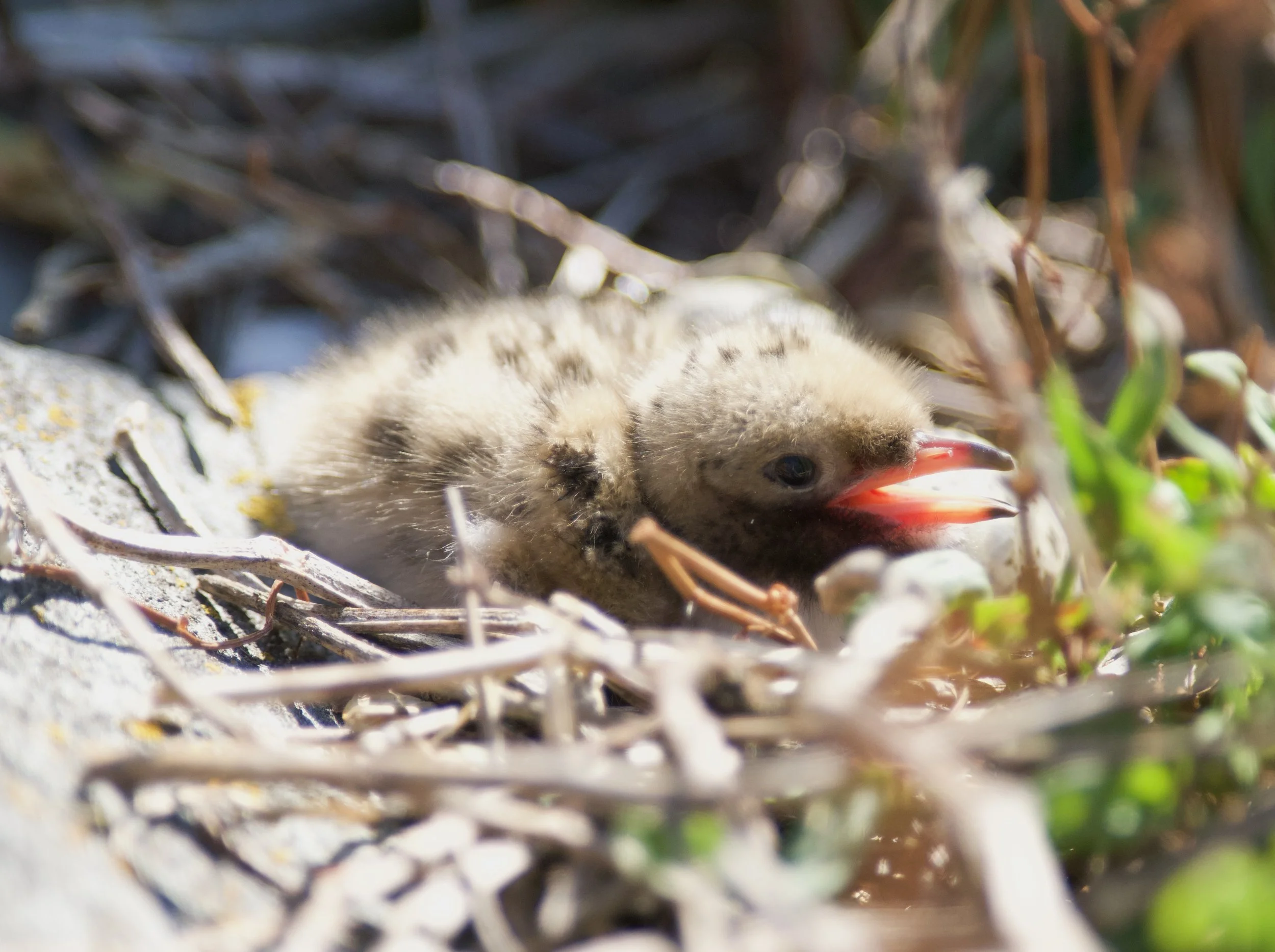
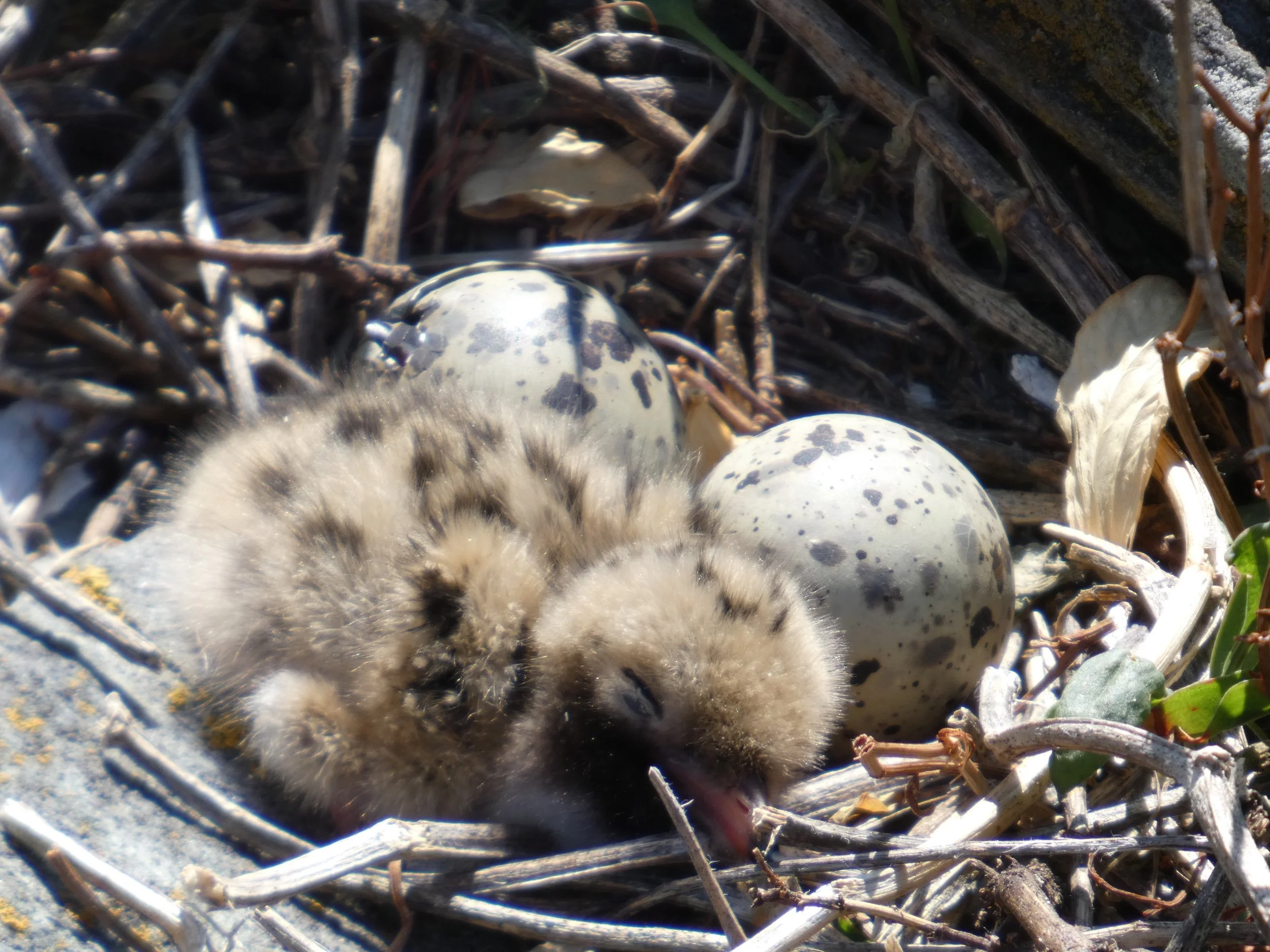
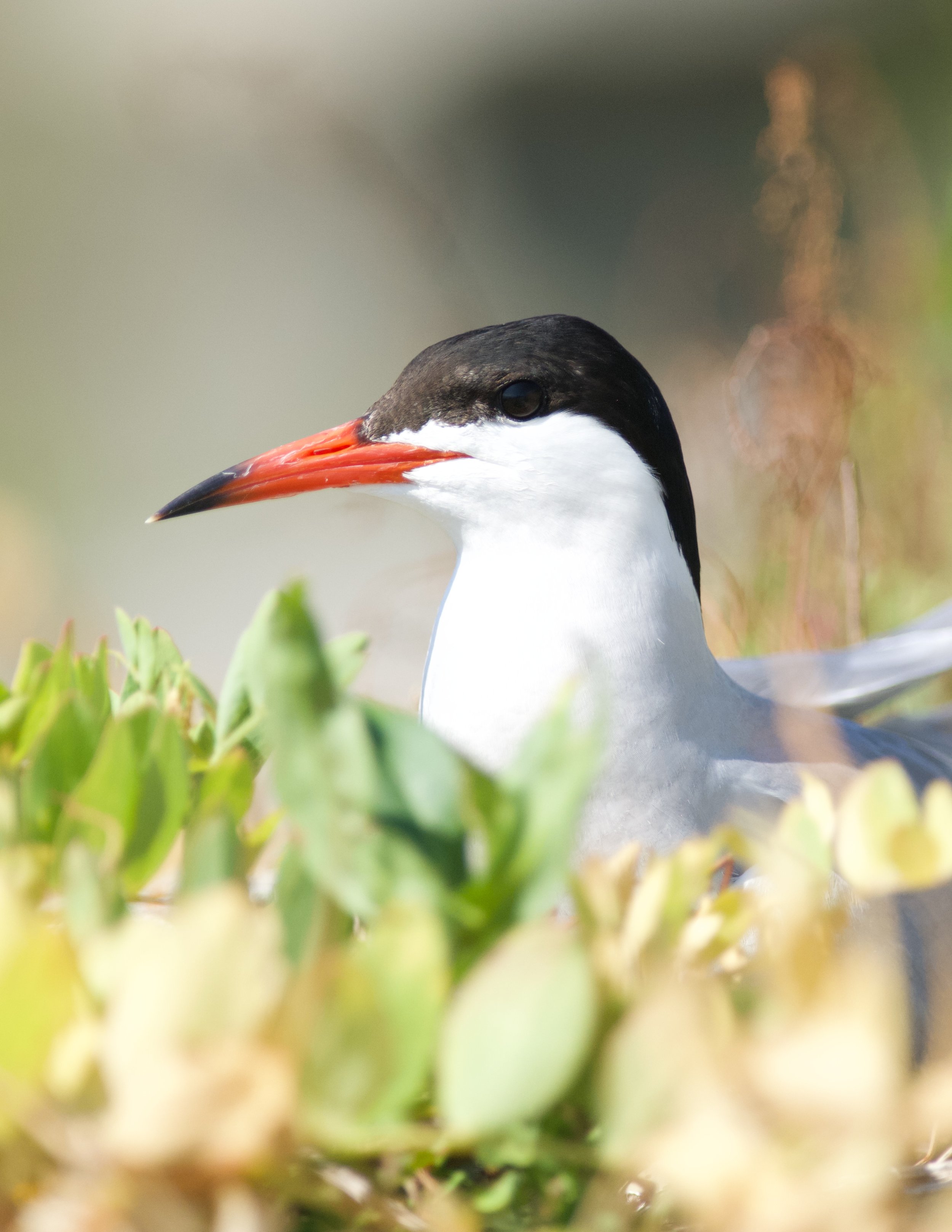
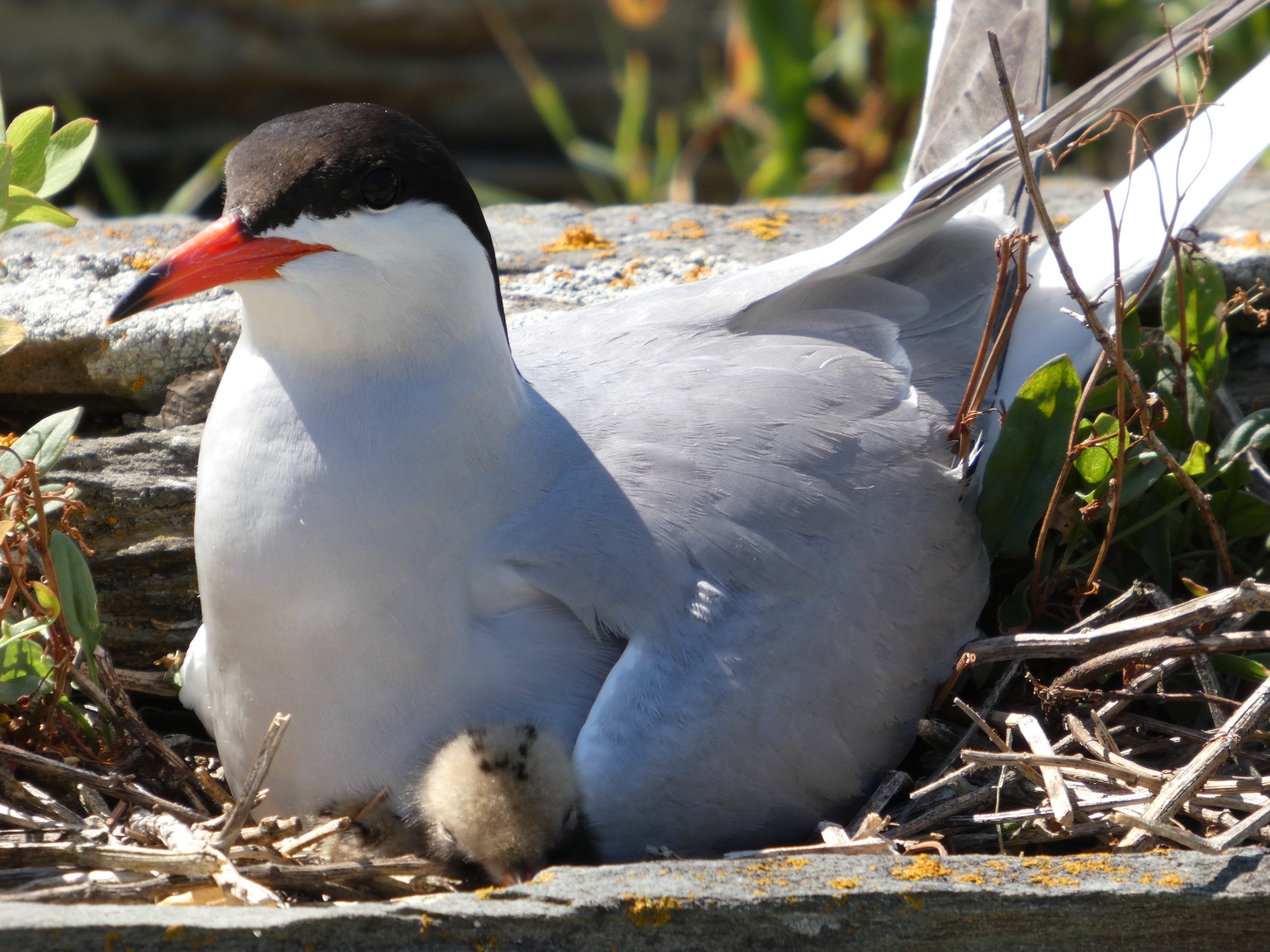
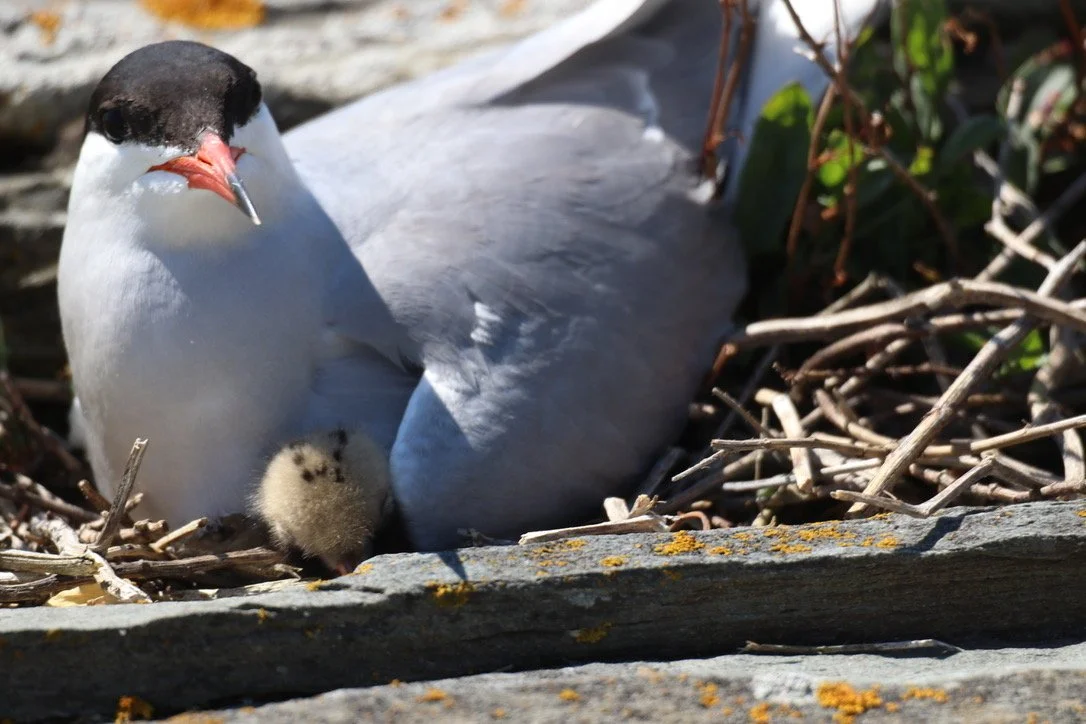
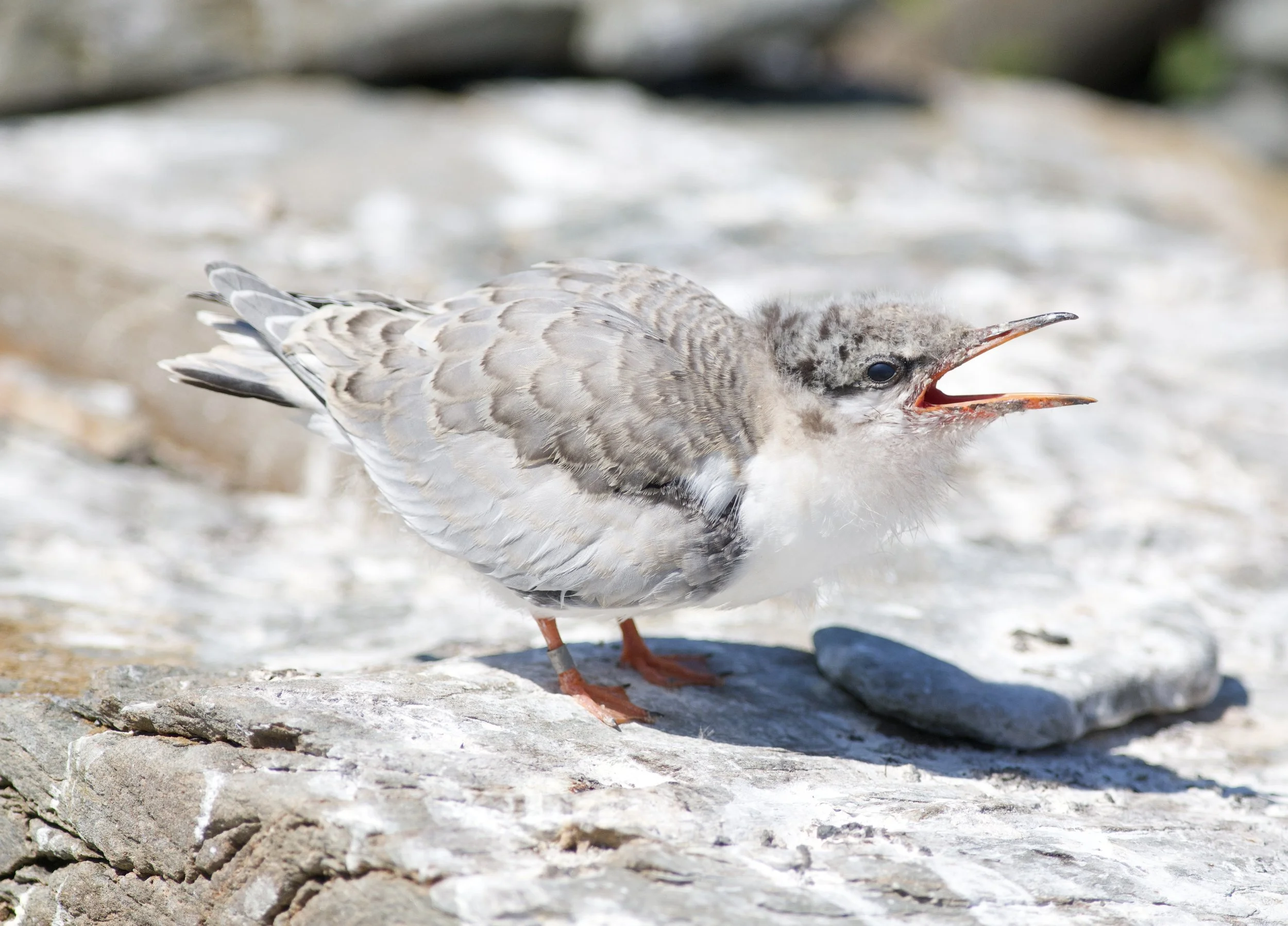
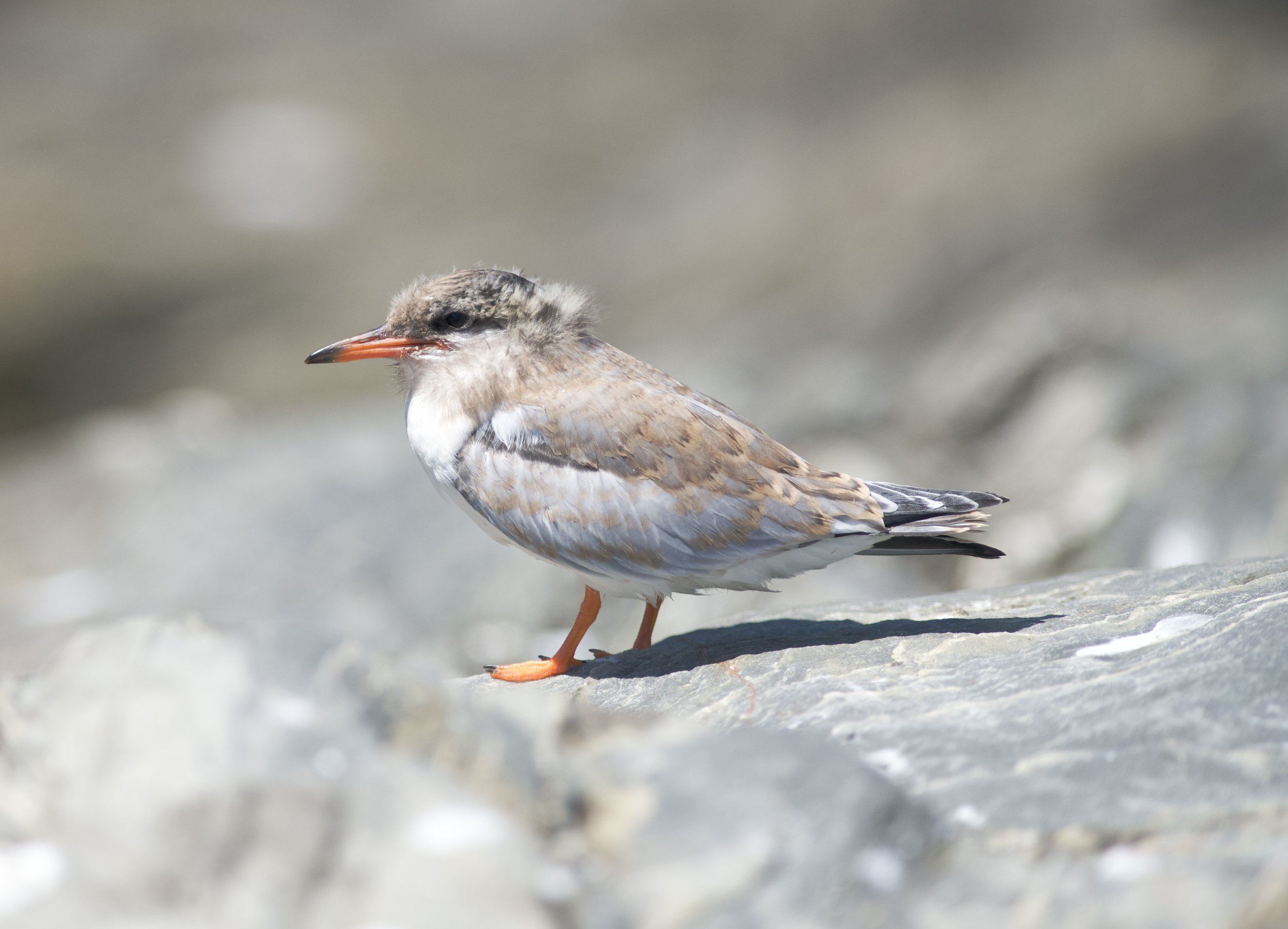
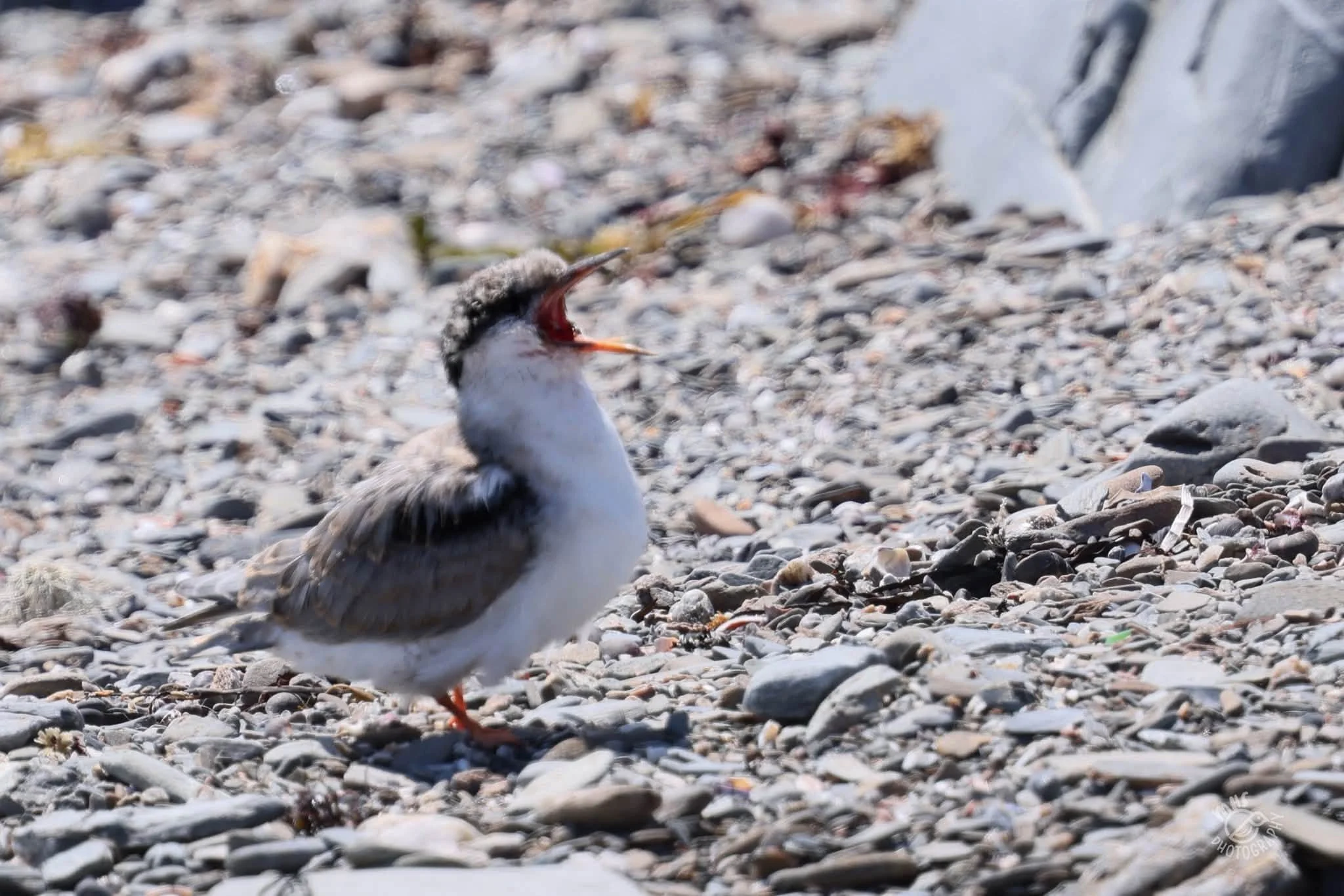
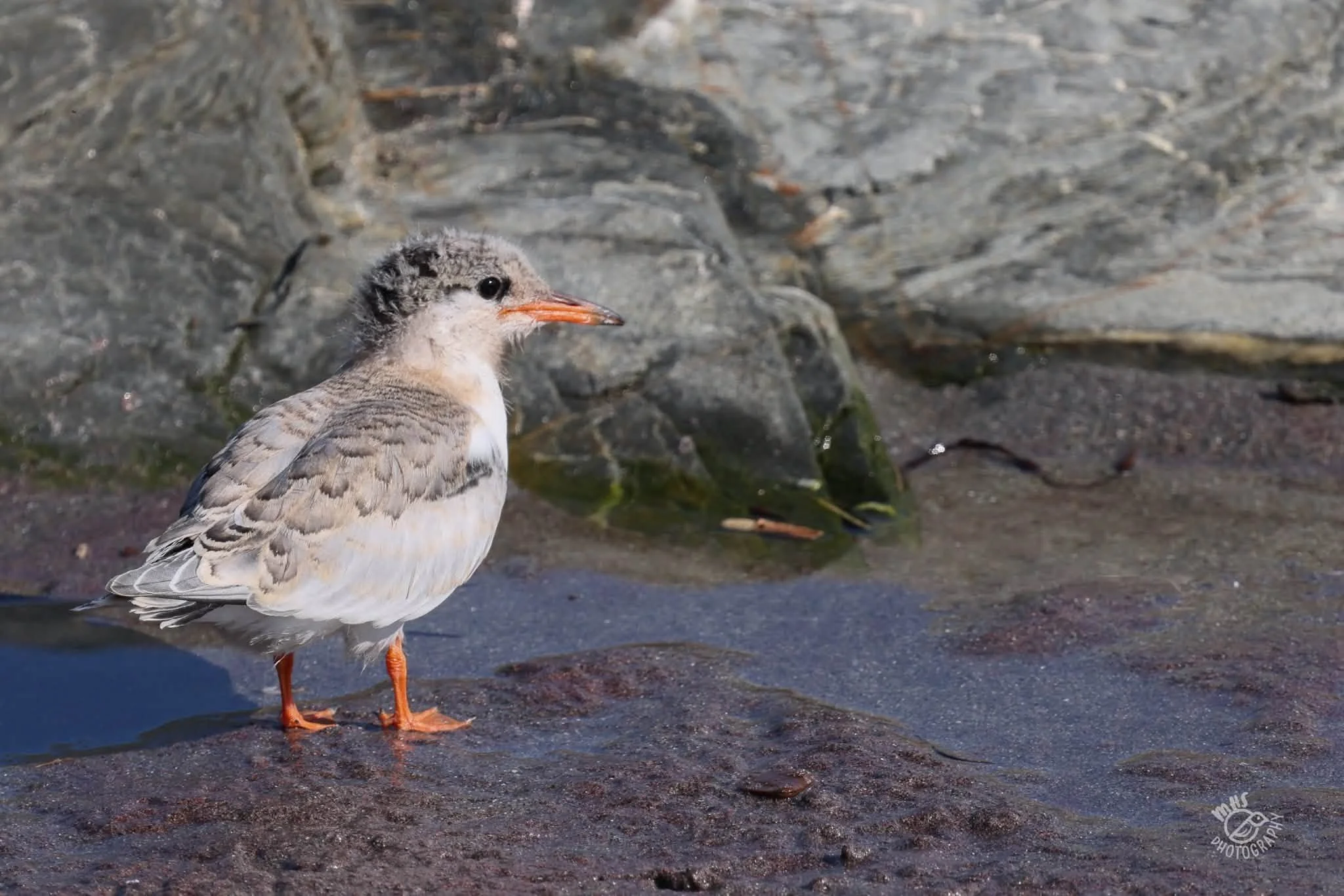
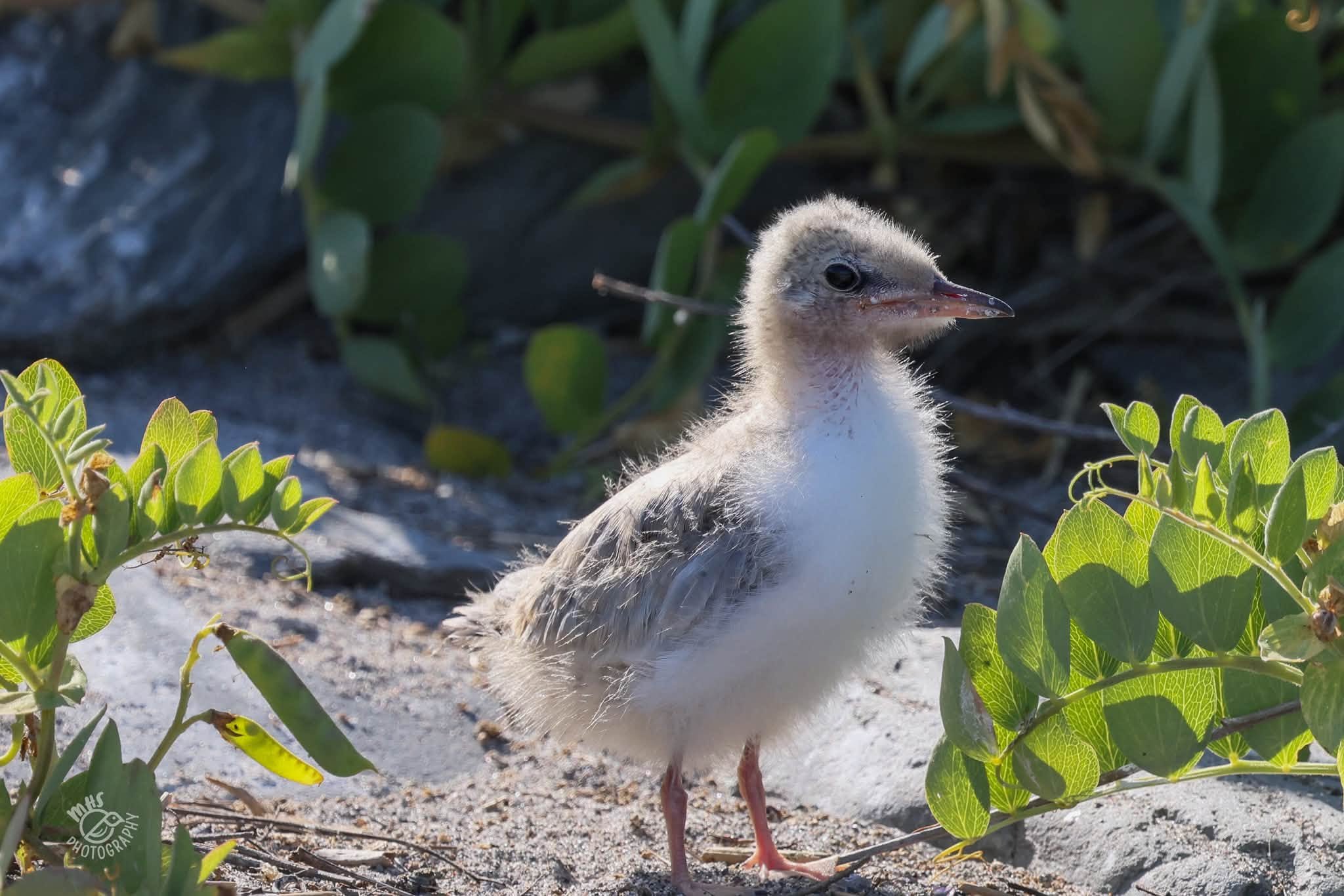
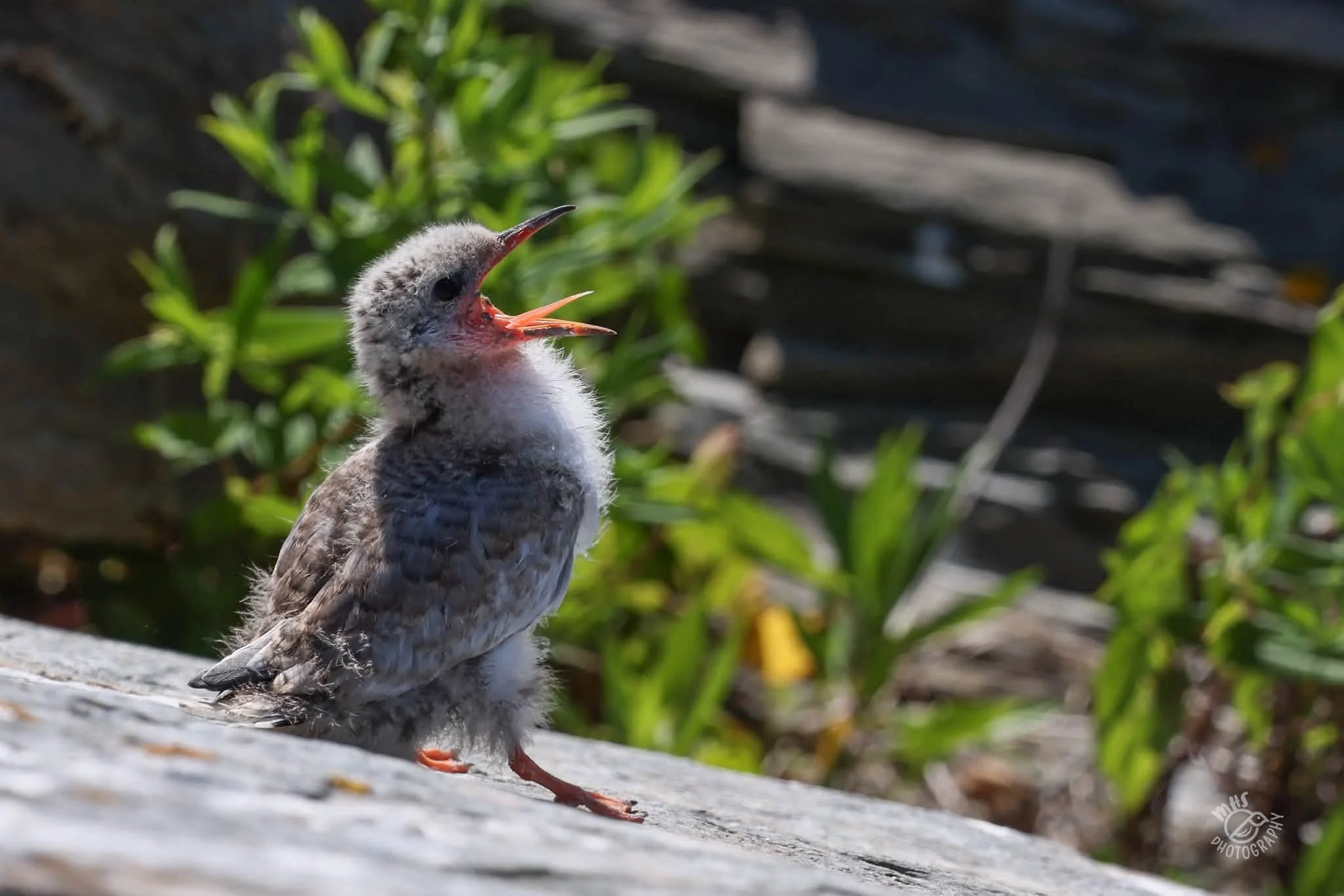
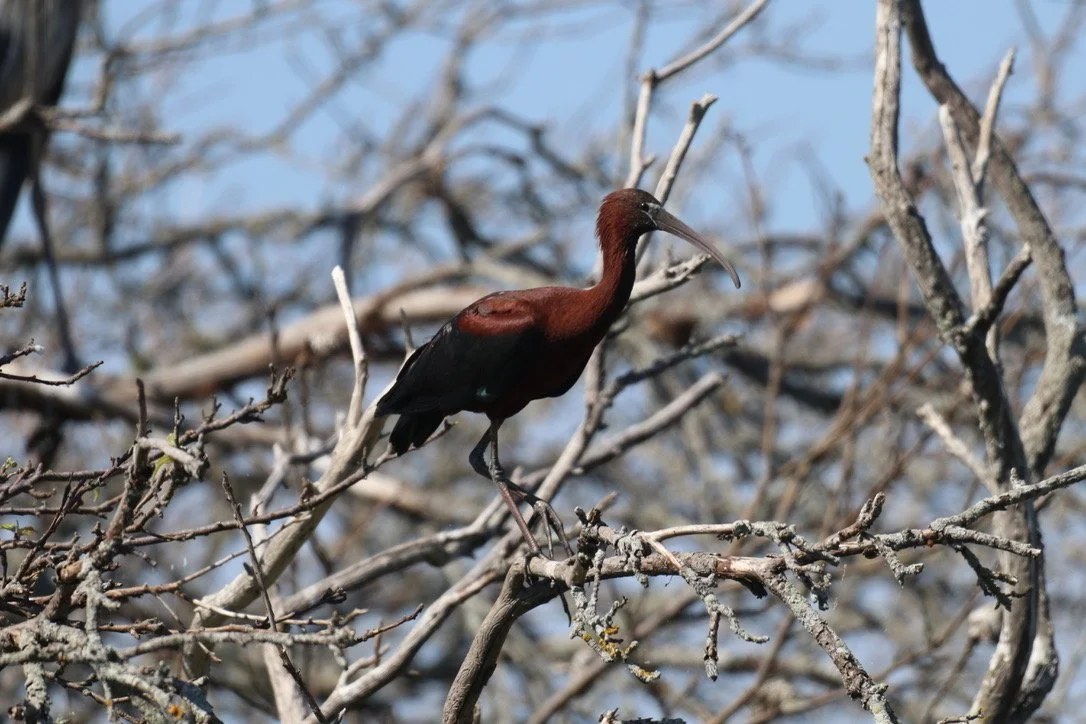
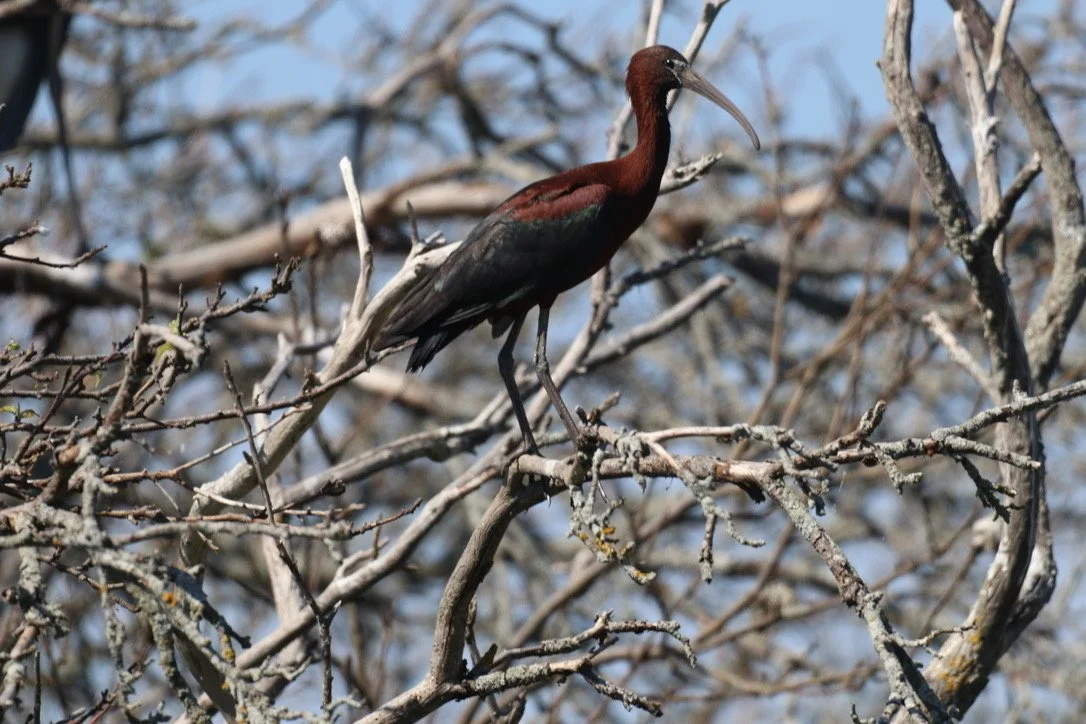
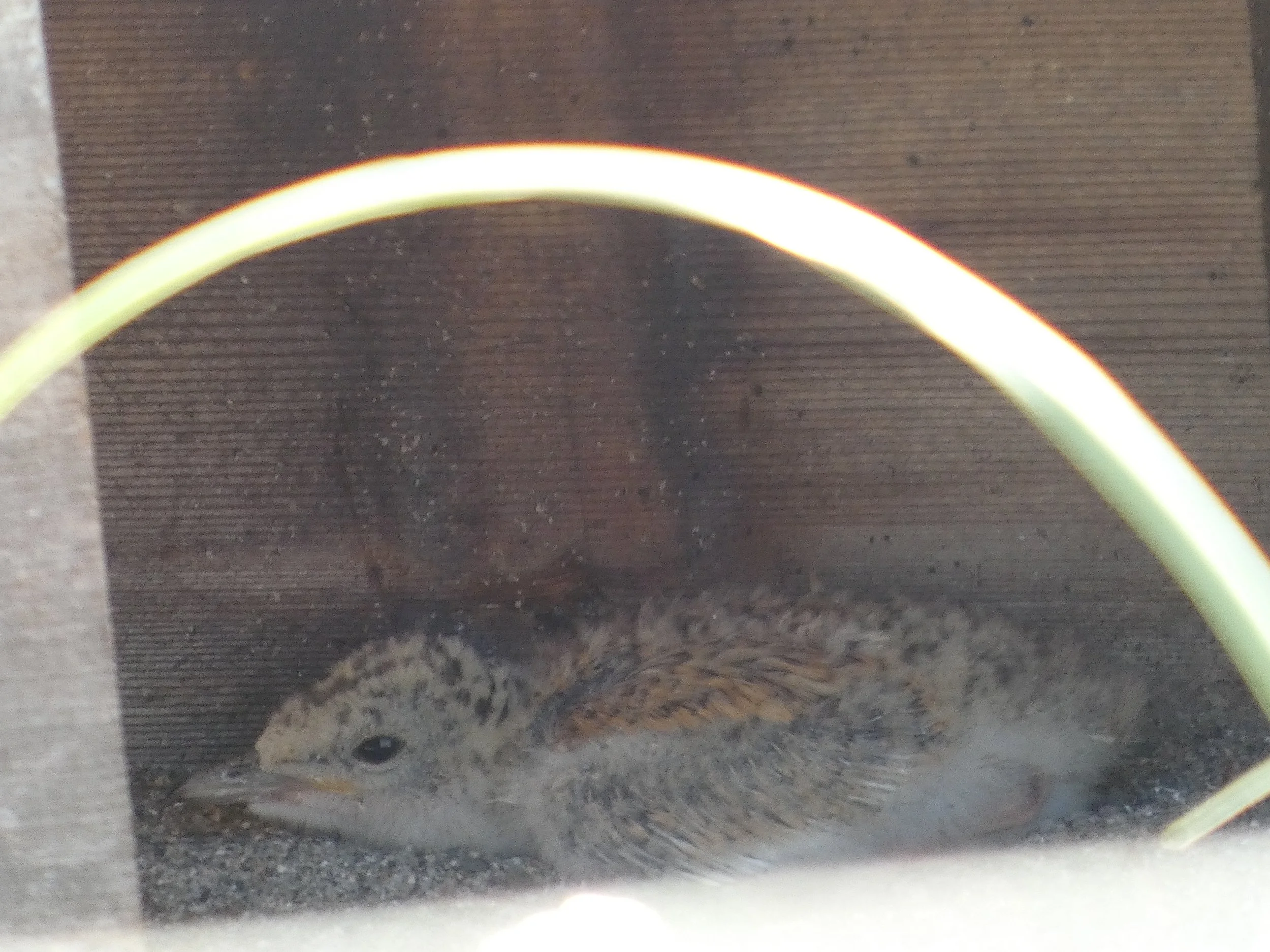
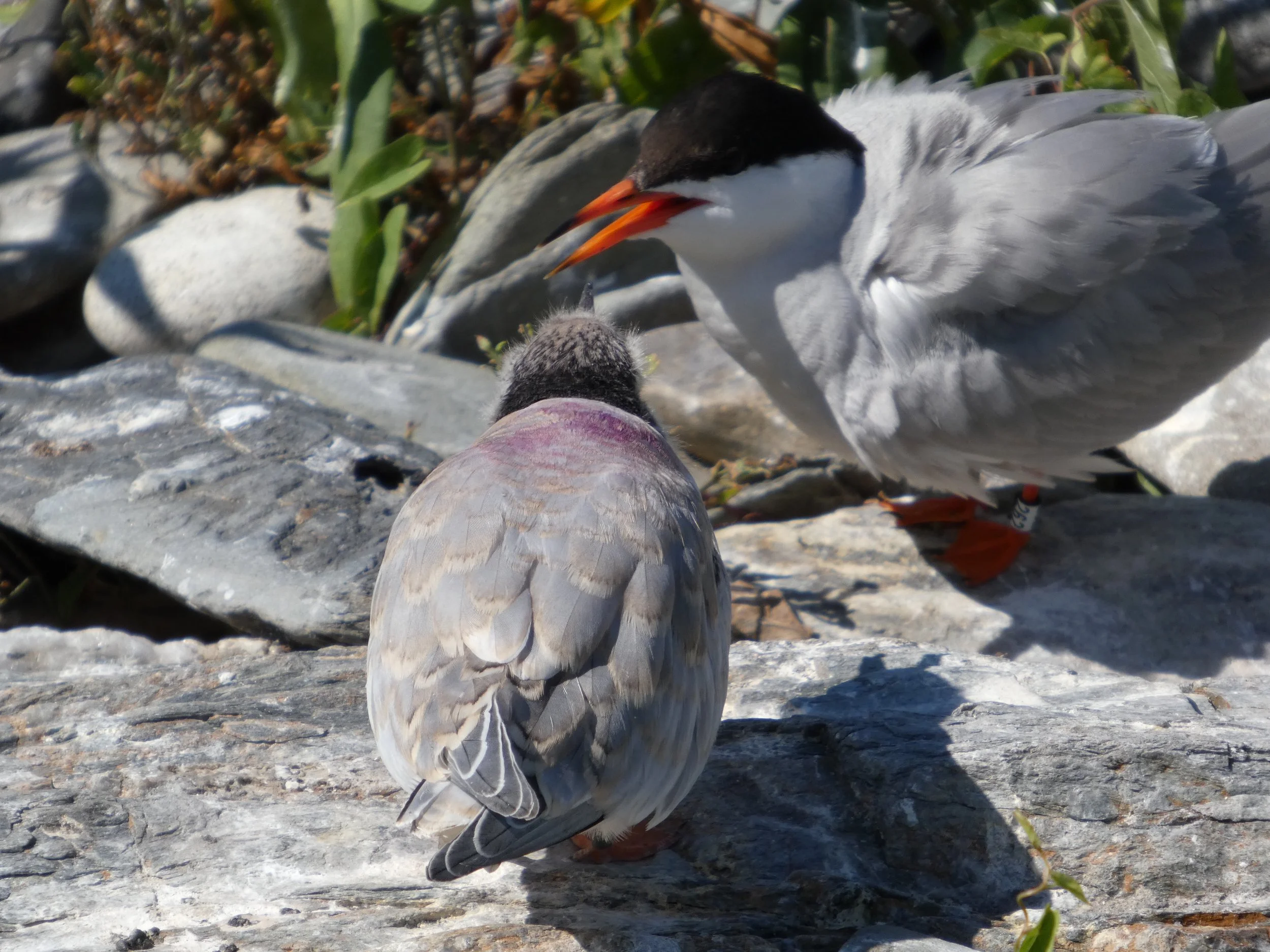
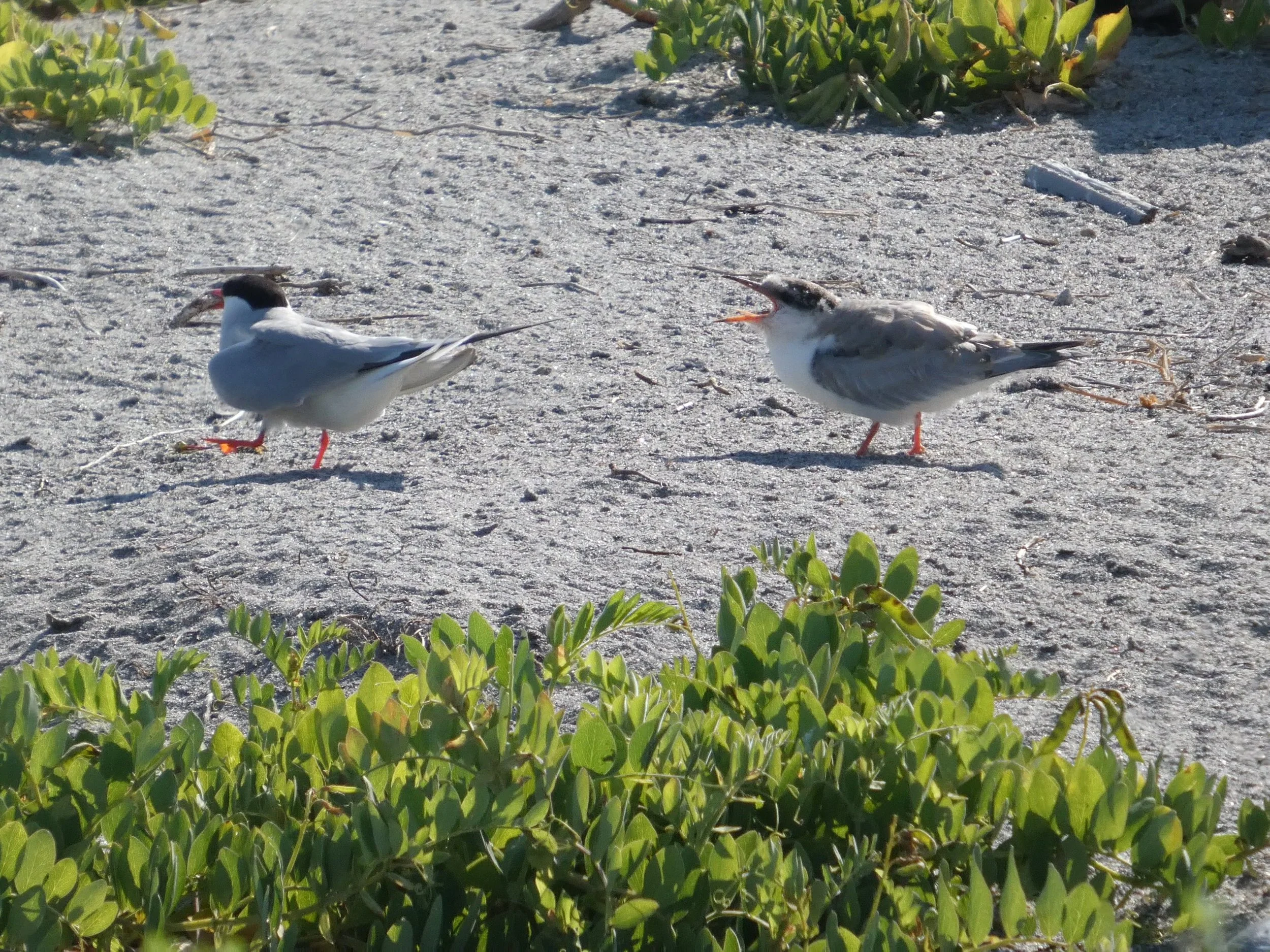
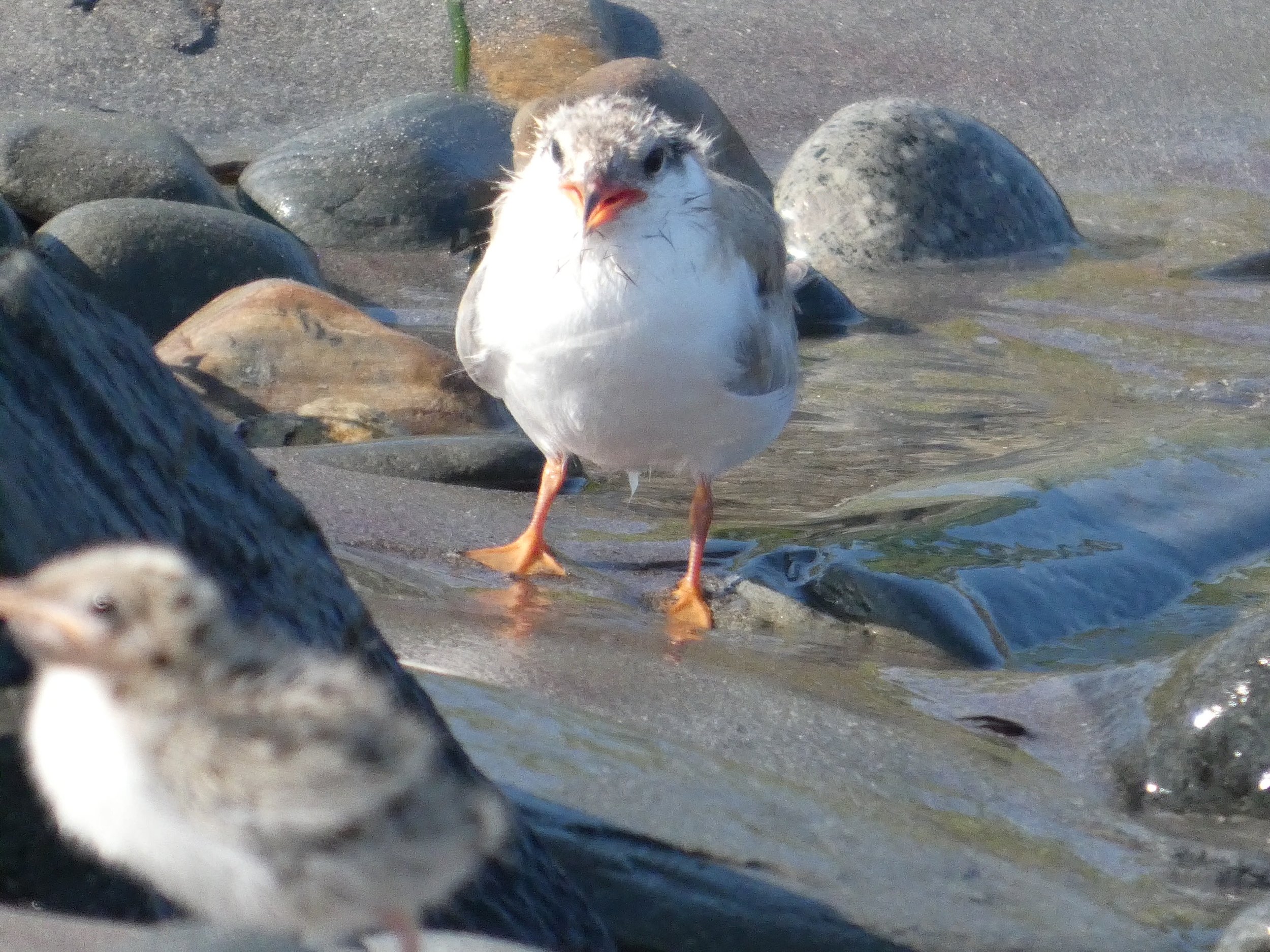
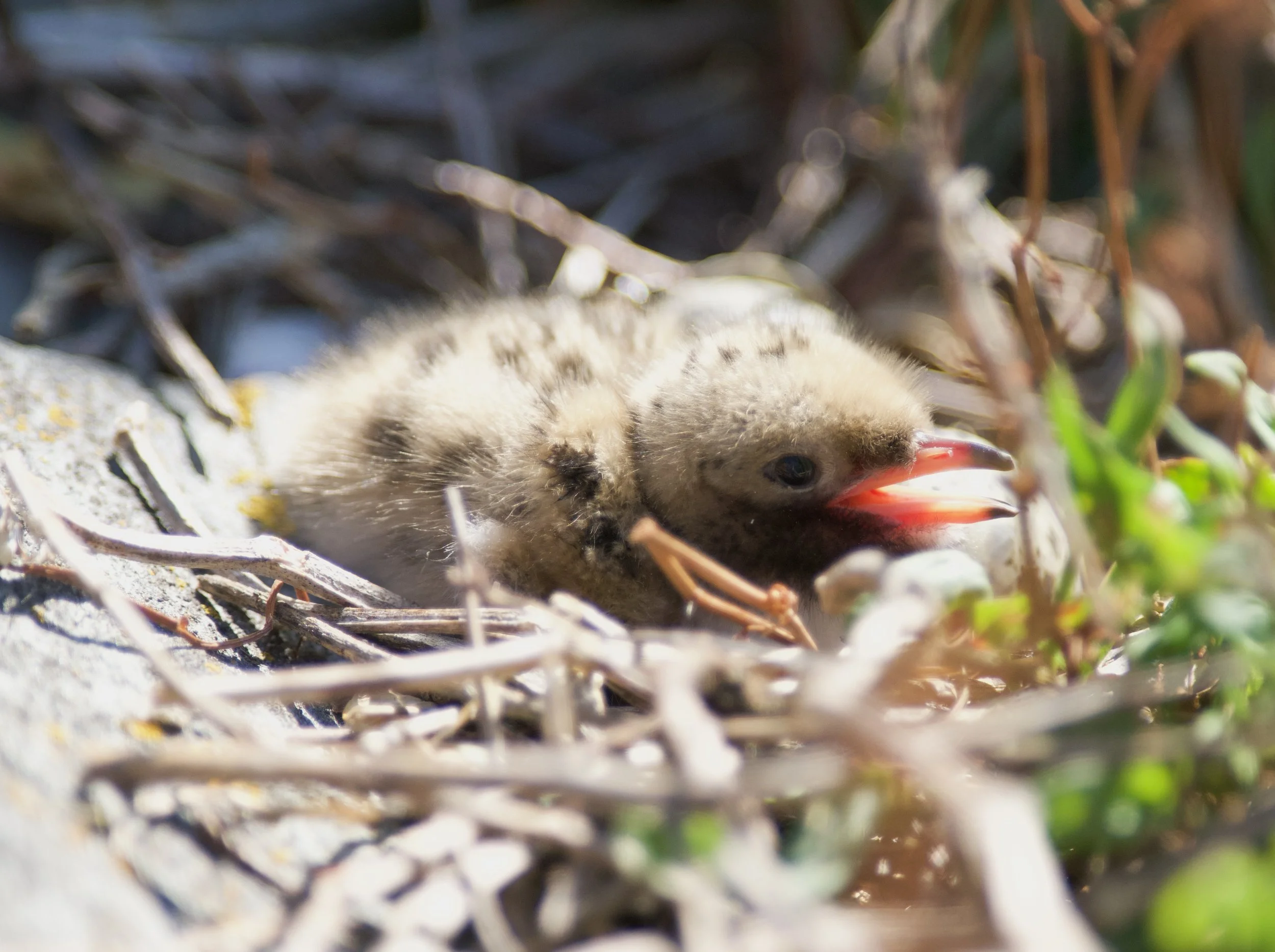
When we arrived at the island, the whole area was full of sights and sounds. COTE greeted the group in spectacular fashion, diving and calling overhead. Their chicks were the first birds we saw when landing on the beach. We promptly headed over to the nesting least tern colony, where we got good views of a small chick sheltering in a box. The staff built an amazing electric fence to keep the least tern nests and chicks safe from predators, namely black-crowned night herons. We then hiked across the island to check out the freshwater ponds, which host a diverse array of species. We loved watching a juvenile glossy ibis forage in the mud. We headed over to another spot where we happened upon a very newly hatched COTE chick — and another one in the process of hatching! The parents were diligently standing guard, so we got a great glimpse of this miraculous part of the tern nesting process before heading over for a great look at the rookery on the island.
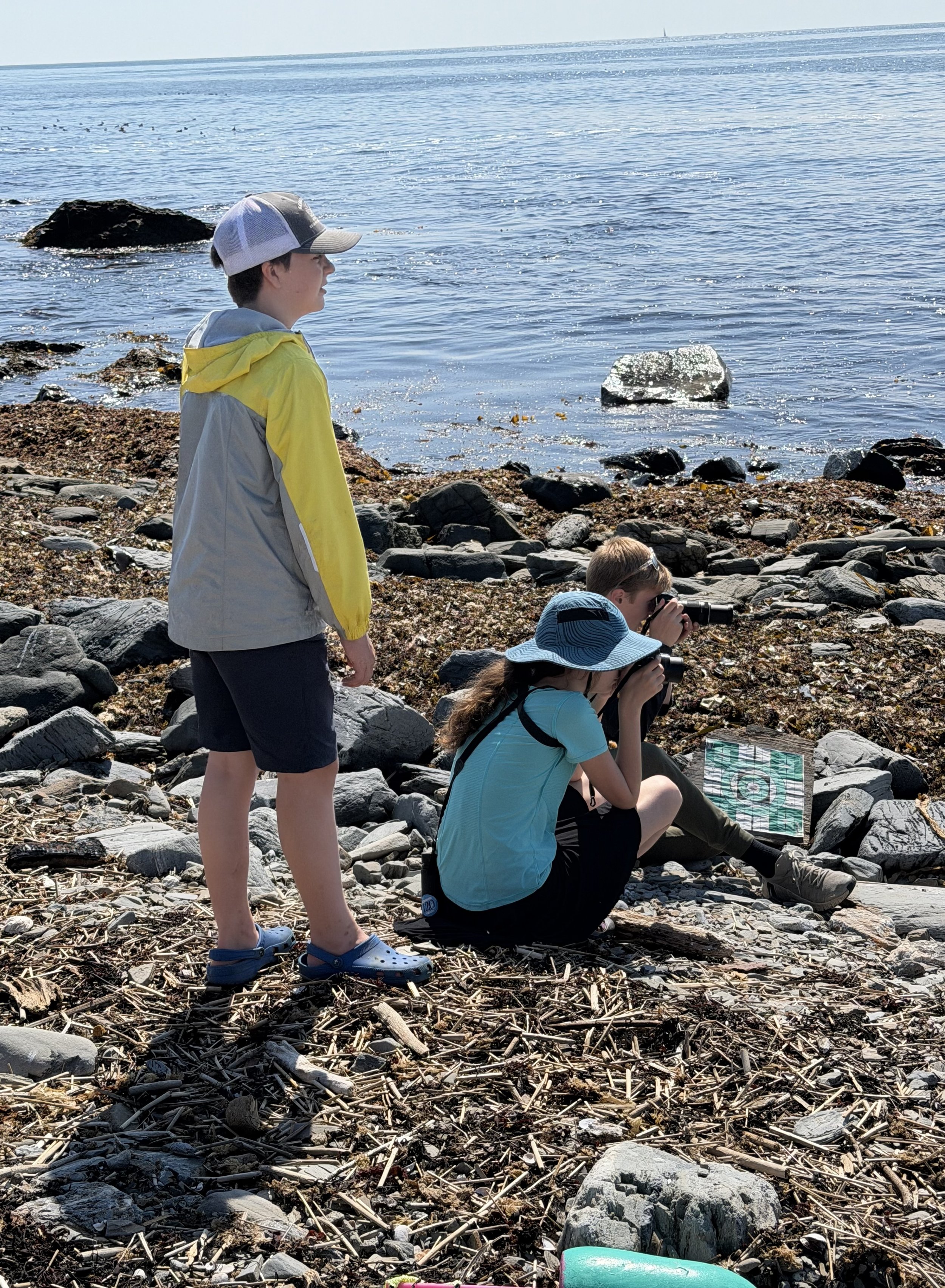
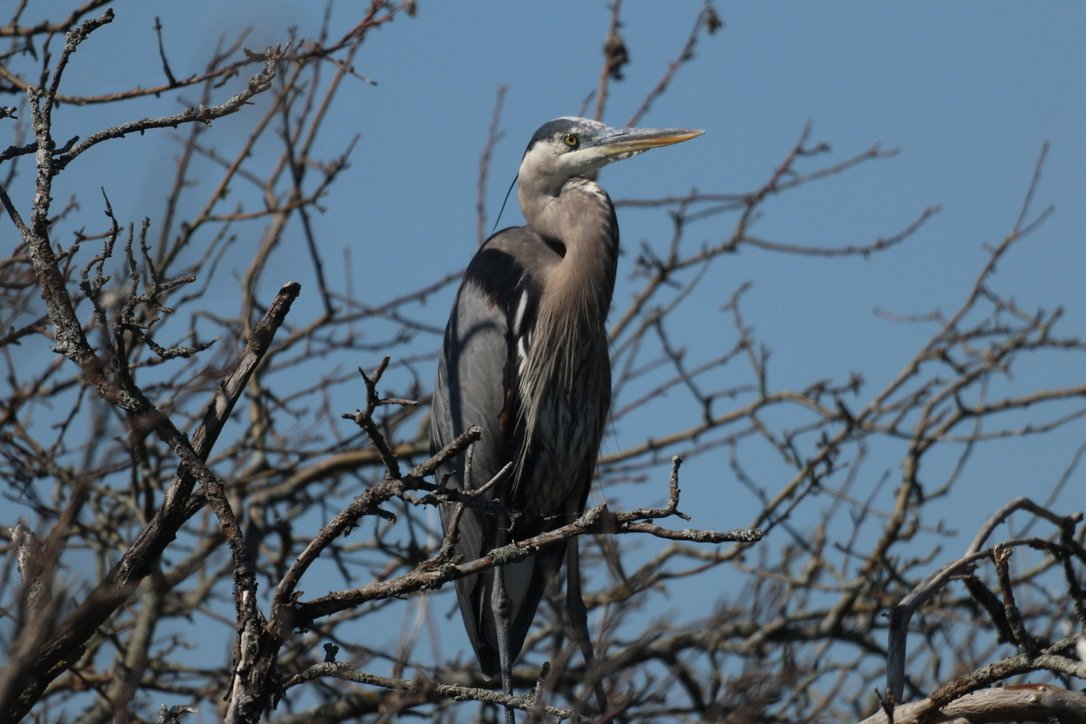
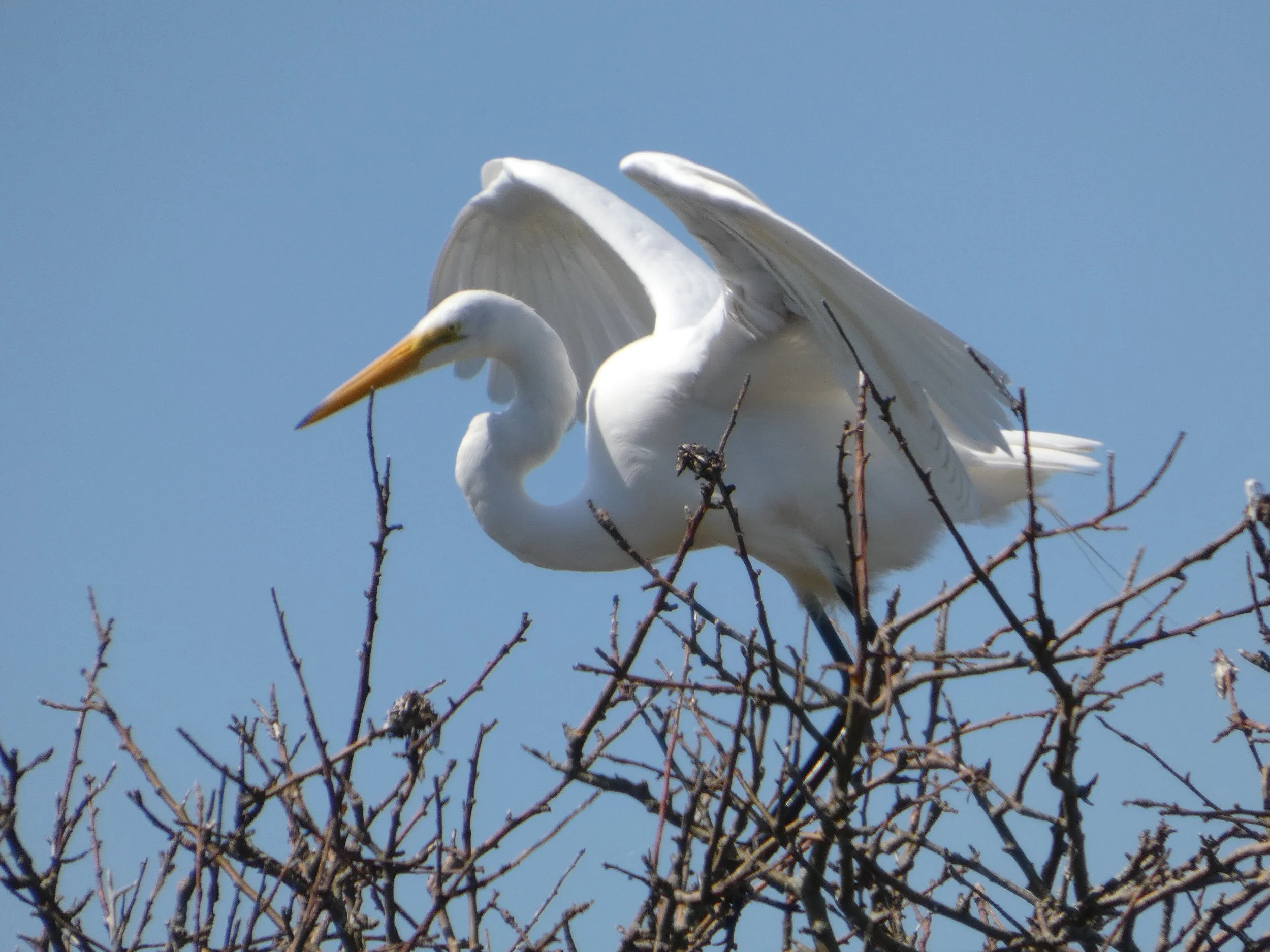
The rookery consists of several species of wading birds that nest on the island, including great egrets (GREG), snowy egrets (SNEG), glossy ibis (GLIB), and great blue herons (GBHE). We saw GLIB chicks in the nest, much smaller than the juveniles foraging at the pond. We also got great views of the adults with their gorgeous maroon and green iridescent plumage. Once finished there, we spent some time on the shore watching shorebirds such as short-billed dowitchers, spotted sandpipers (with chicks!), and least sandpipers. We also loved spotting our club's mascot birds, three black guillemots floating offshore. This species also uses Stratton as a nesting spot!
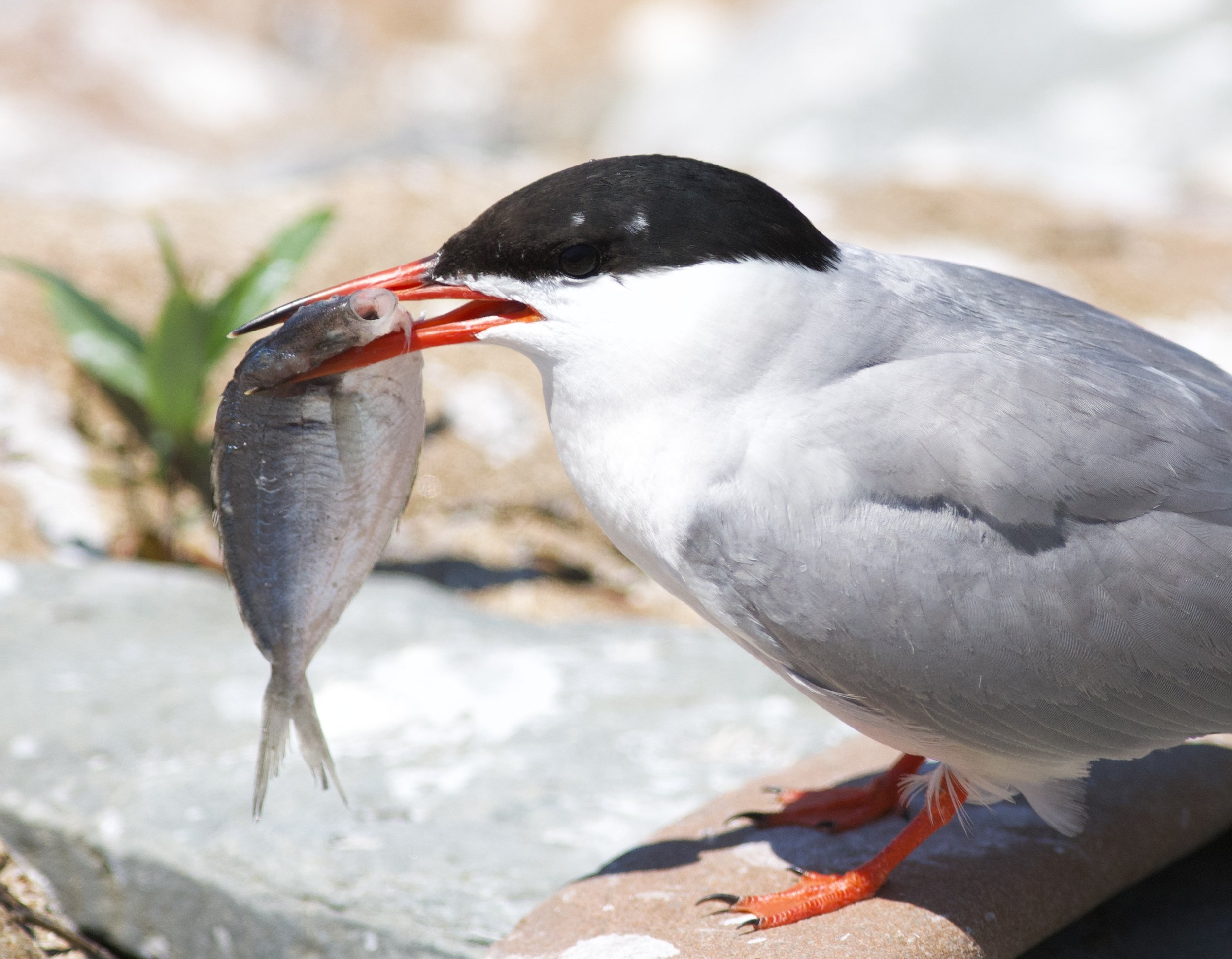
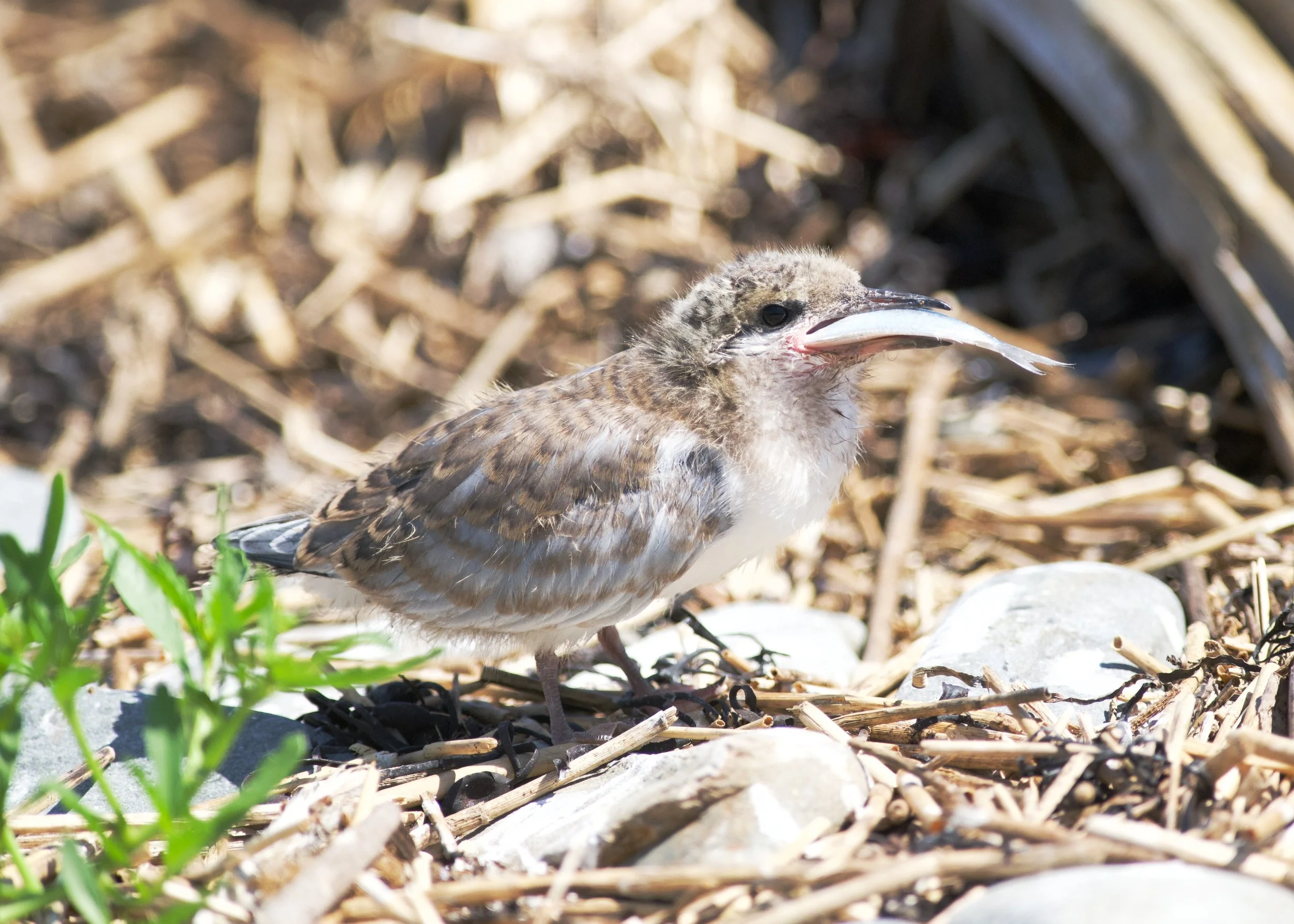
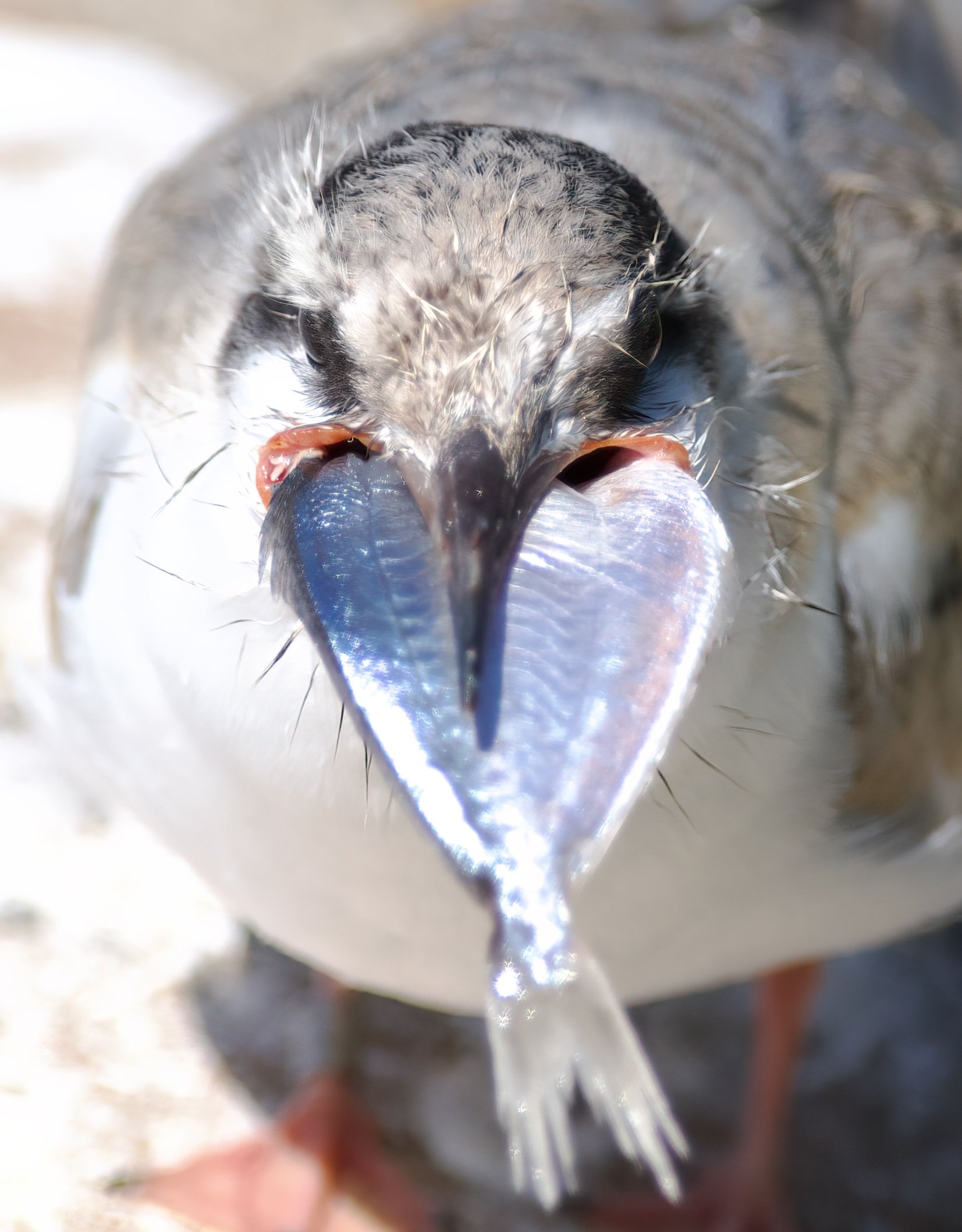
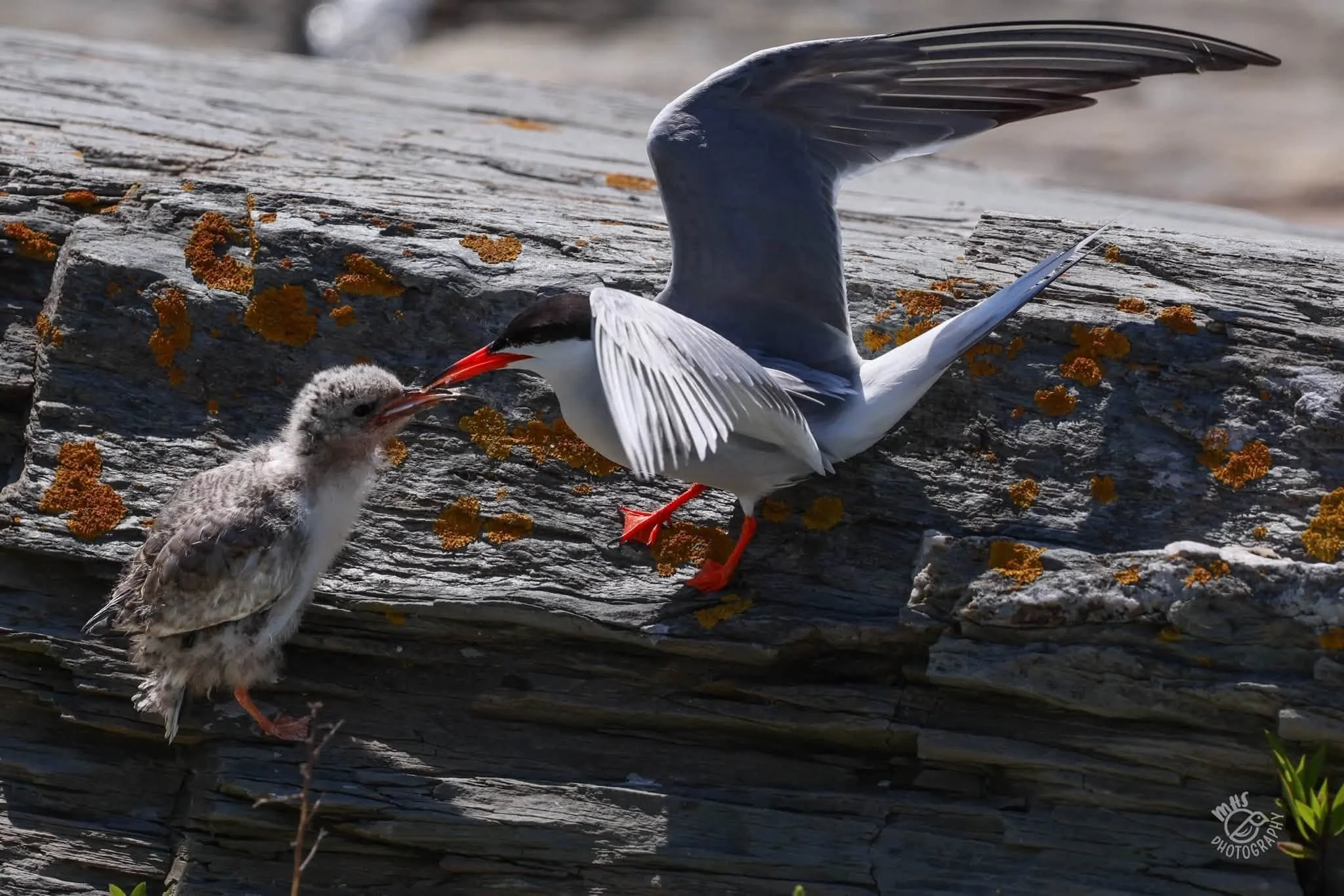
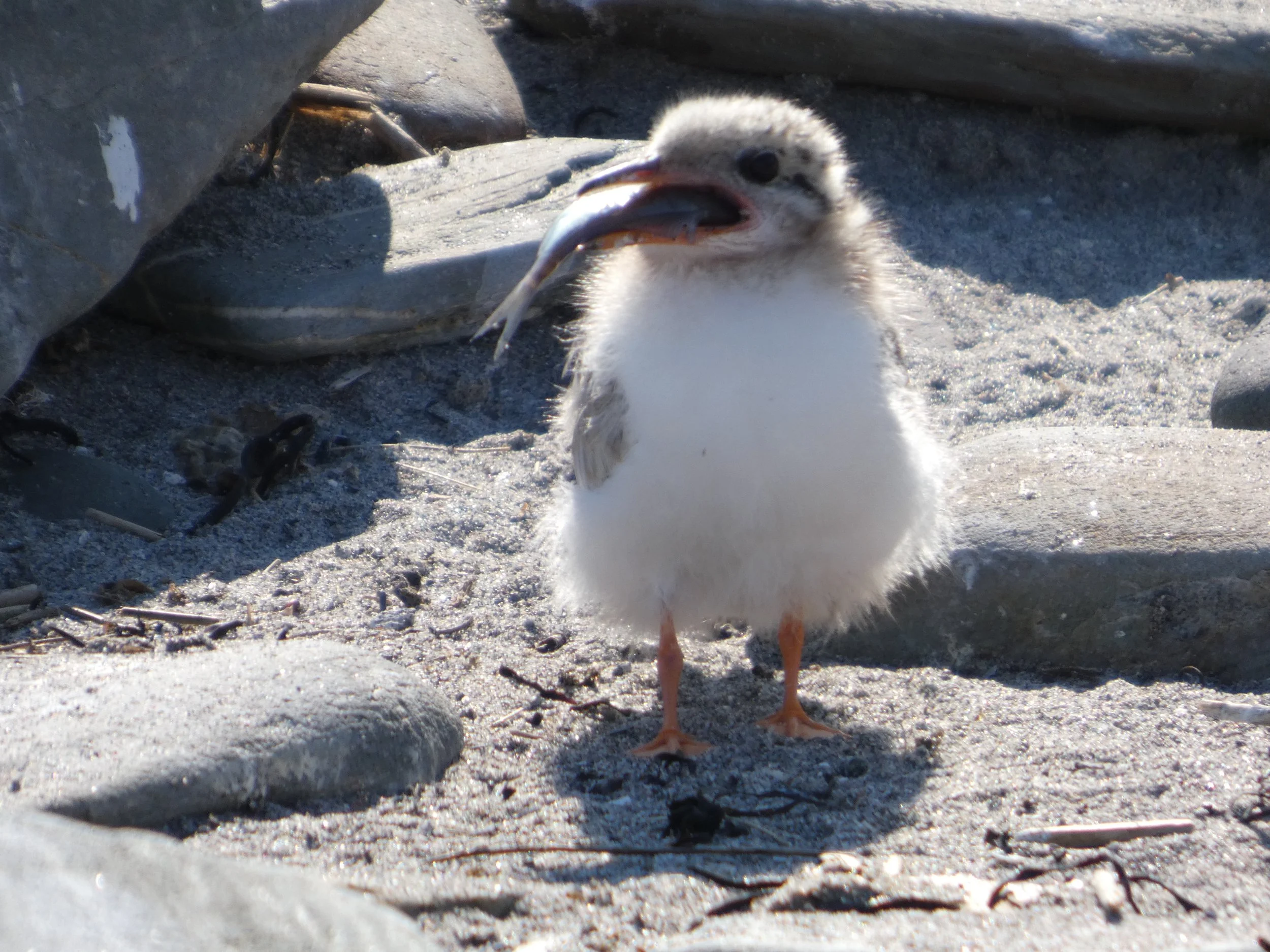
Lastly, our groups separately spent some time in the visitor's blind. This is such a fun part of the outing because it gives us a secret, inside view of the lives of these nesting terns and their families. Tern parents work so hard — catching fish, feeding their young, and protecting them from predators. The blind offers a front-row seat to the action-packed drama of a day in the tern colony. We quickly learned that butterfish were a massive challenge for the chicks to choke down, and we cheered on a large tern chick trying desperately to swallow its lunch. We really started to doubt the chick could actually fit the fish down its throat — but it did! We cheered the little bird on and wished it the best on the rest of its journey.
It is always sad to leave the island with little tern chicks bidding us goodbye from the shore. The work the researchers do to usher in another healthy, successful generation of terns is always so impressive. For a full list of birds we saw at Pine Point, on our way to the island, and on the island, please click the checklists below.
https://ebird.org/checklist/S371076221
https://ebird.org/checklist/S371079739
Stay tuned for our August trip announcement, and until then — happy birding and happy summer from the MYBC crew!