by Laurie Pocher | Saturday, October 17, 2026
A cold front, northwest winds, and the promise of migrating hawks—what more could a group of young birders ask for? Well, maybe a few extra layers.
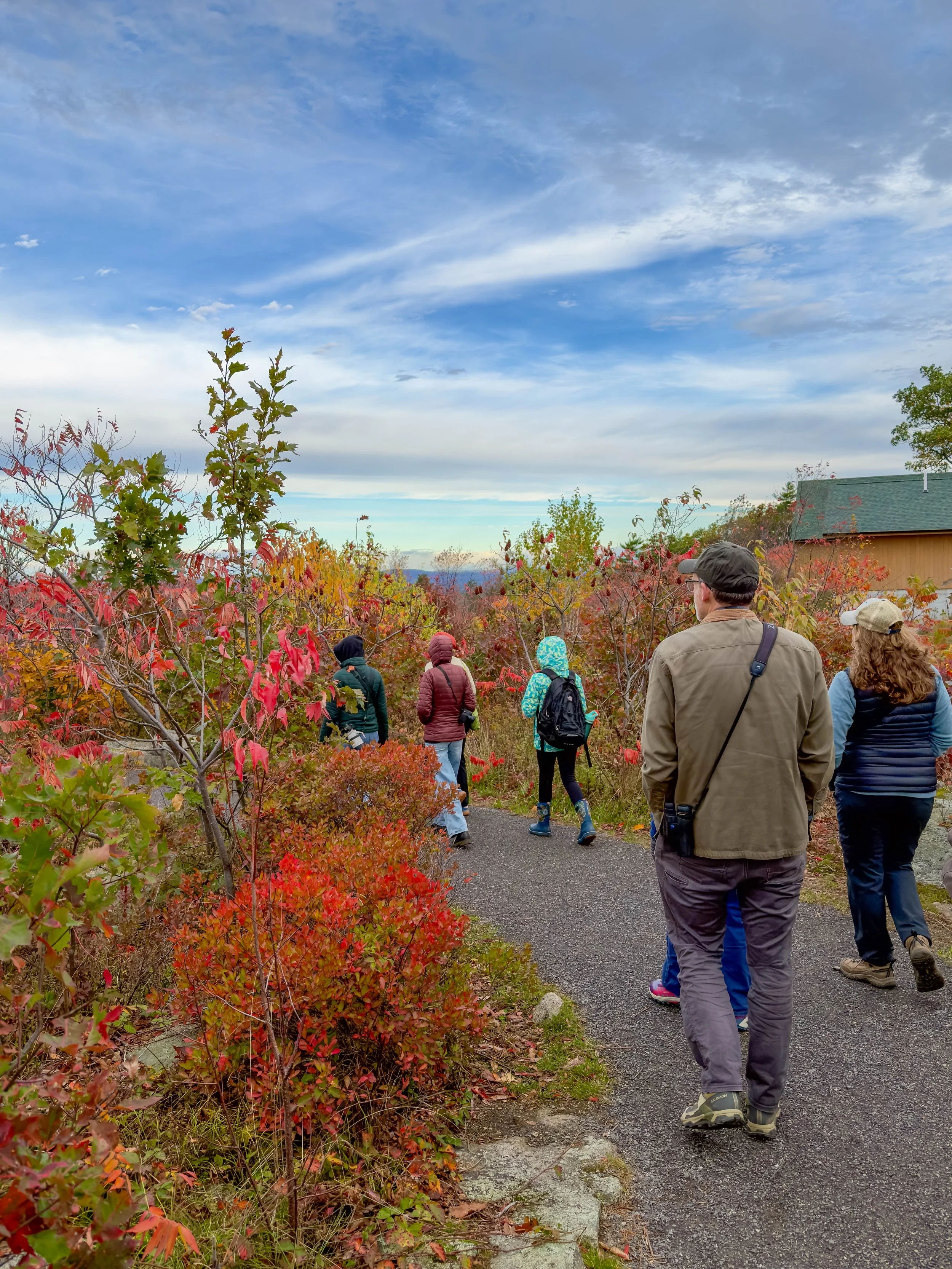
The Maine Young Birders Club headed to Mount Agamenticus in York for a morning of fall migration birding. Our plan was to start at the summit, where the open views make Mount A a great place to watch migrating raptors, then explore some of the trails in search of other fall birds.
Northwest winds following a cold front can create excellent conditions for hawk migration. Many raptors take advantage of favorable winds and rising air currents to conserve energy on their long journeys south. With a cold front having moved through the previous day, we were hopeful that the summit would be a busy place.
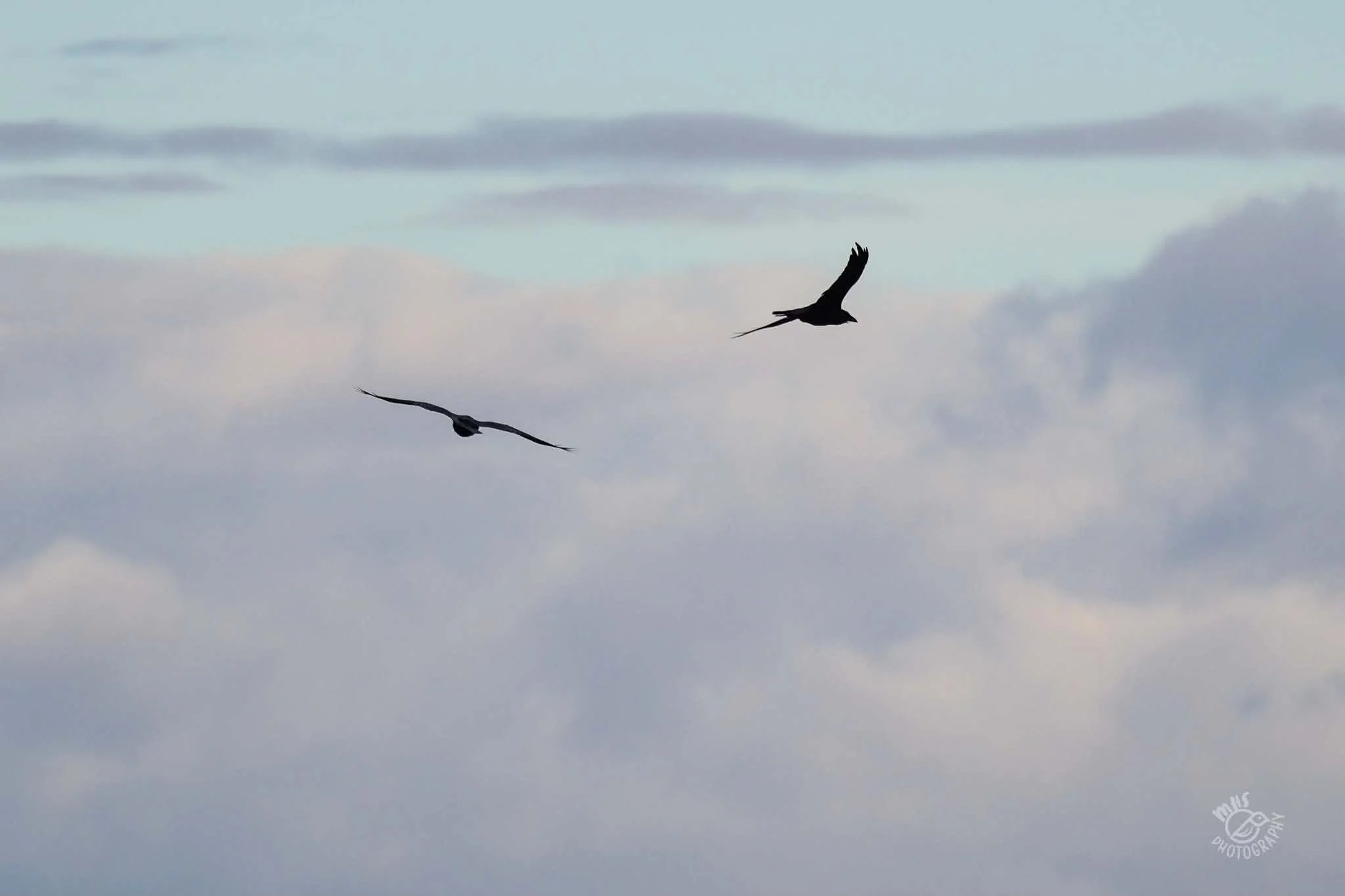
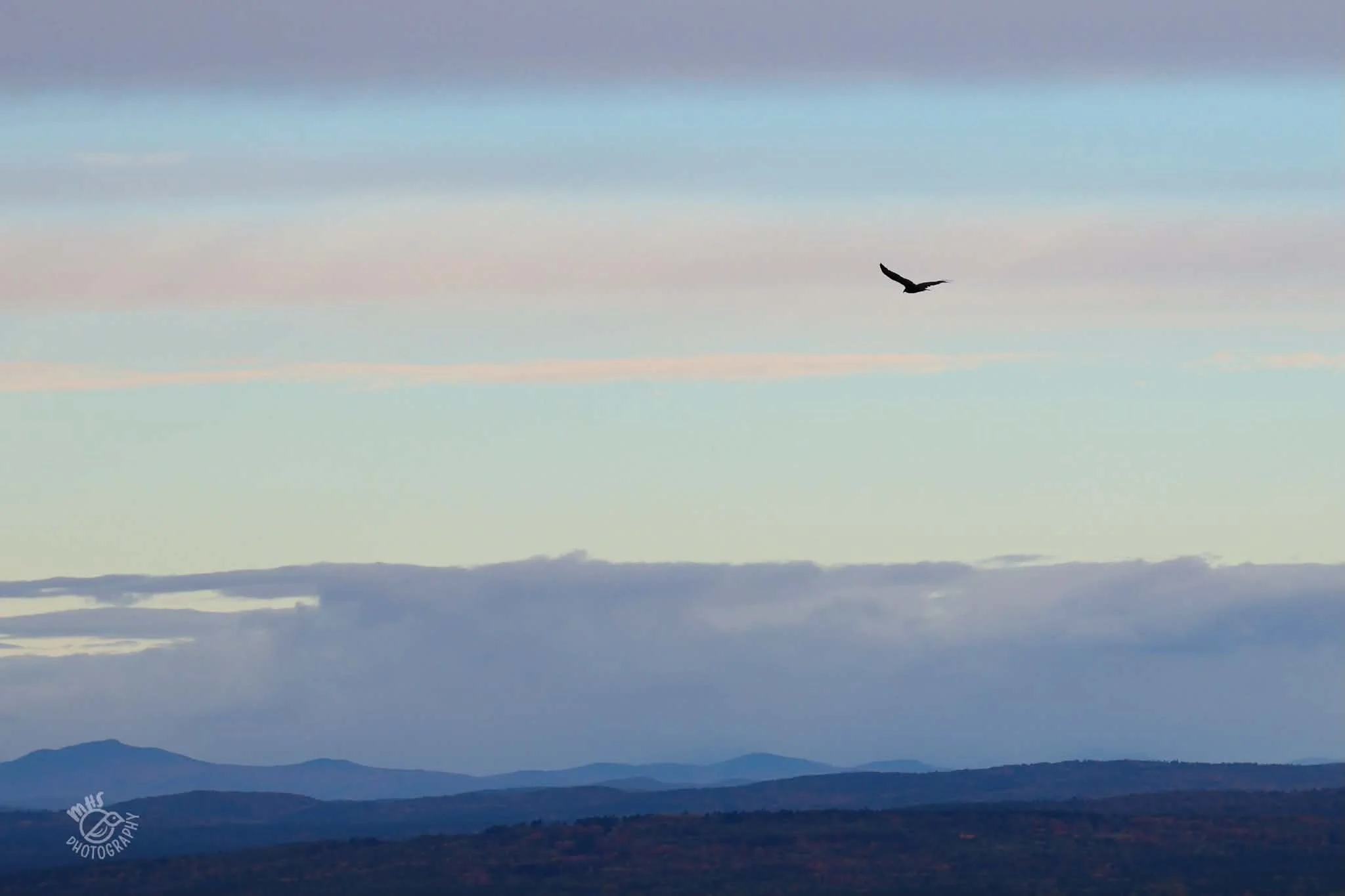
We got off to a promising start with a kettle of Turkey Vultures circling overhead, followed by a Sharp-shinned Hawk and an American Kestrel. We also spotted a Cooper’s Hawk on several occasions, although we couldn't be sure whether we were seeing the same bird or different individuals. That gave us a chance to talk about how to distinguish Cooper’s Hawks from their smaller cousins, Sharp-shinned Hawks. One handy trick is to look at the head: Cooper’s Hawks have larger, more prominent heads that extend farther forward in flight, while Sharp-shinned Hawks have smaller heads that barely project beyond their wings. Our birding cheat code? If the hawk looks like it can see over its shoulders, it's probably a Cooper’s.
The birding was off to a good start. The weather, not so much.
Temperatures were in the 40s, and northwest winds were gusting to around 25 mph in the area. Up on the exposed summit, the wind made it feel considerably colder.
Although northwest winds are generally good news for migrating hawks, stronger winds don’t necessarily mean more birds overhead. Raptors may travel lower and faster in windy conditions, making them harder to spot. Cool, cloudy mornings can also limit the development of thermals—the columns of rising warm air that soaring birds use to gain altitude without flapping. Between the gusty winds and limited sunshine, conditions weren’t quite as favorable for a big, concentrated hawk flight as we’d hoped.
After spending some time scanning the skies from the observation tower, we decided that a little shelter sounded pretty appealing. Fortunately, Mount A has plenty to offer beyond the summit.
We headed down to the Big A Trail, where we found a nice assortment of sparrows, including Chipping, White-throated, and Song Sparrows. A dozen Dark-eyed Juncos were another welcome sign of the changing seasons, and we spotted a Northern Flicker as well.
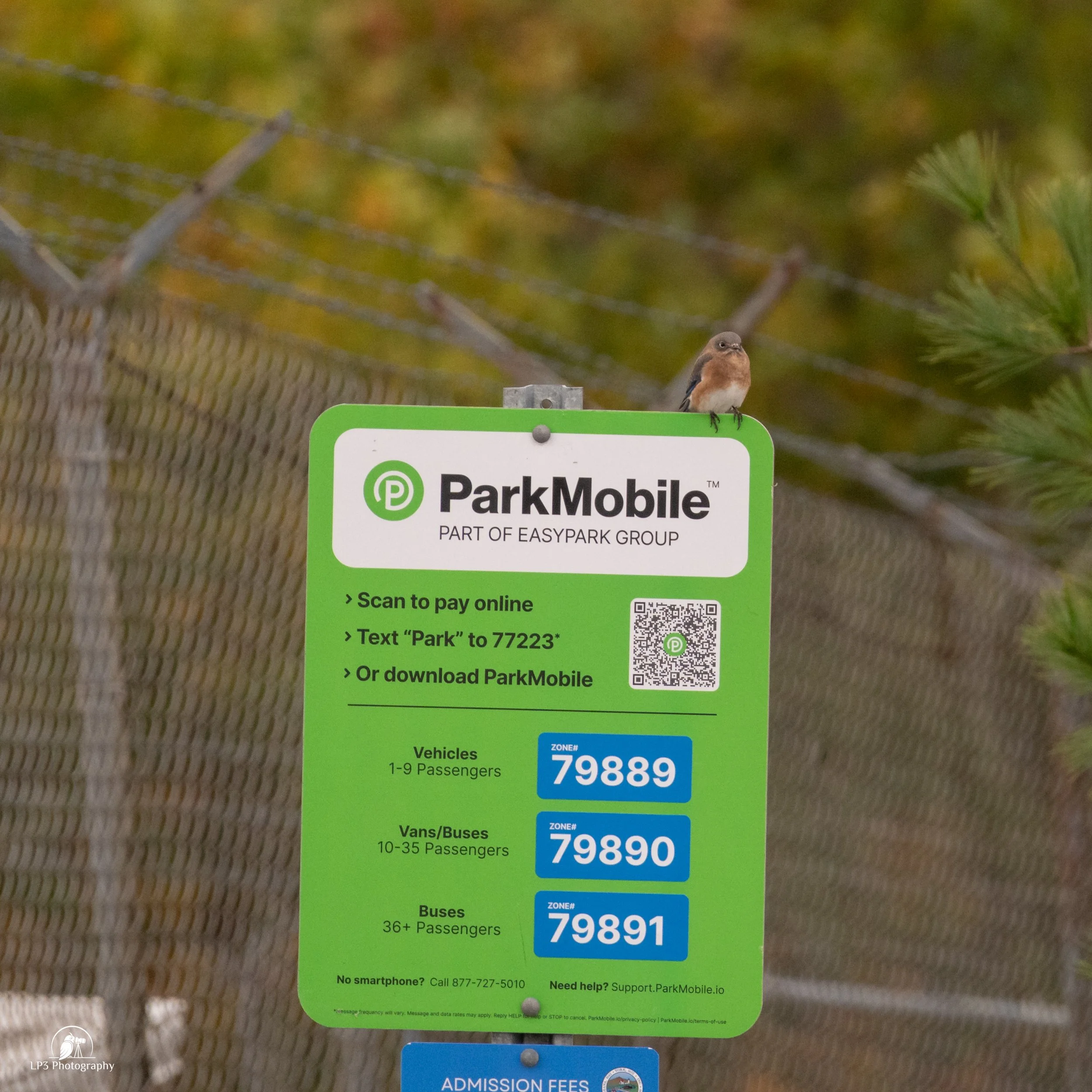
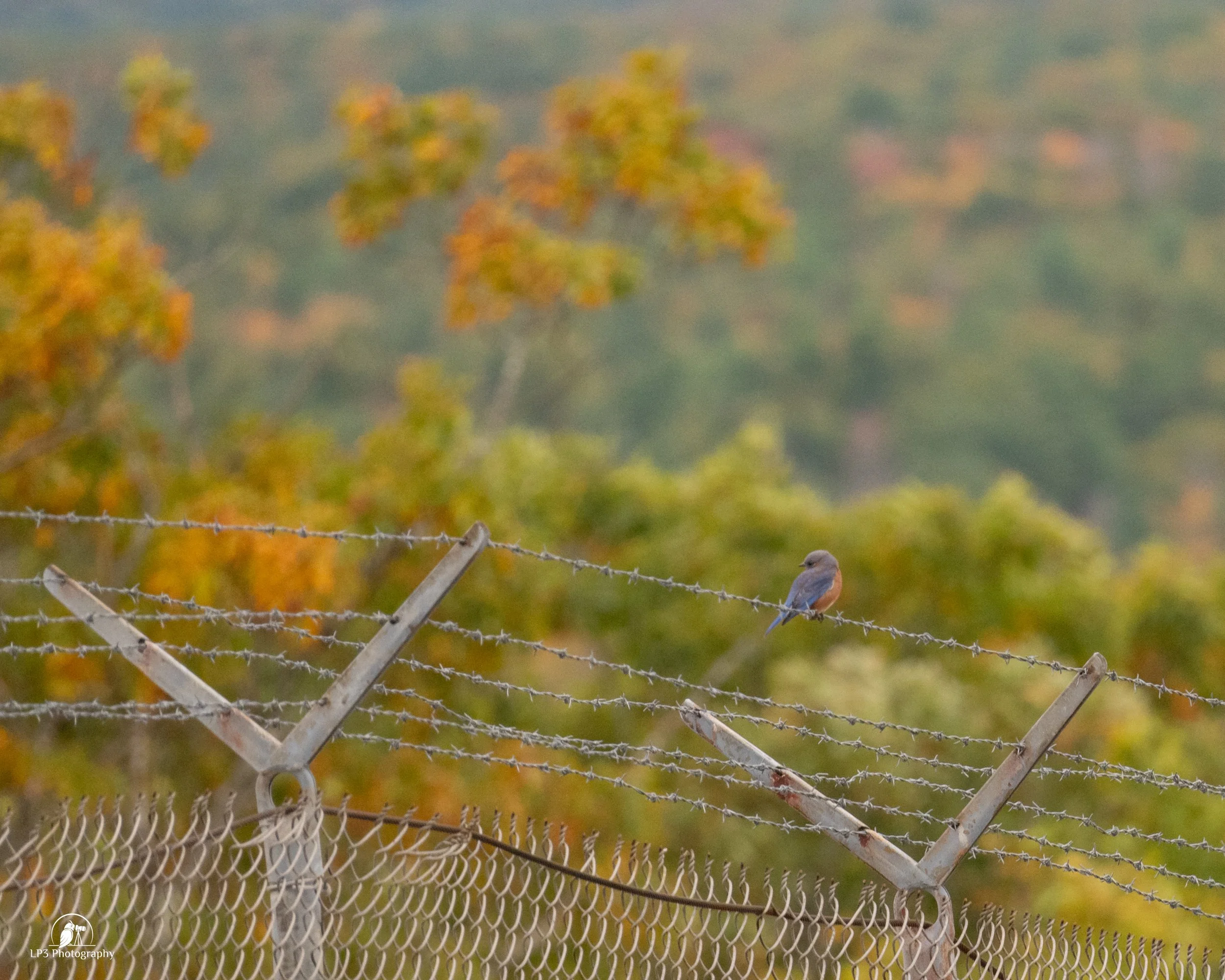
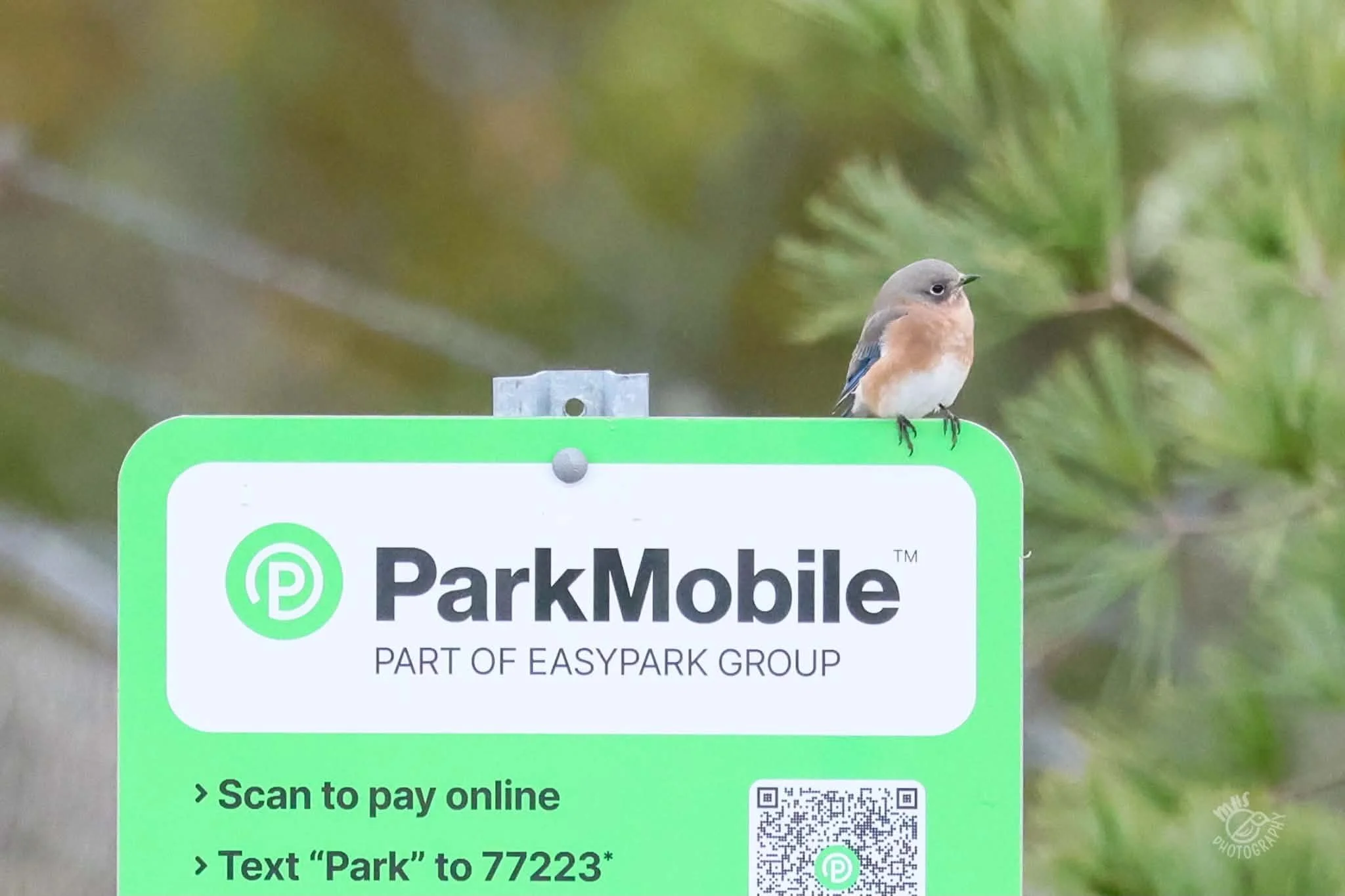
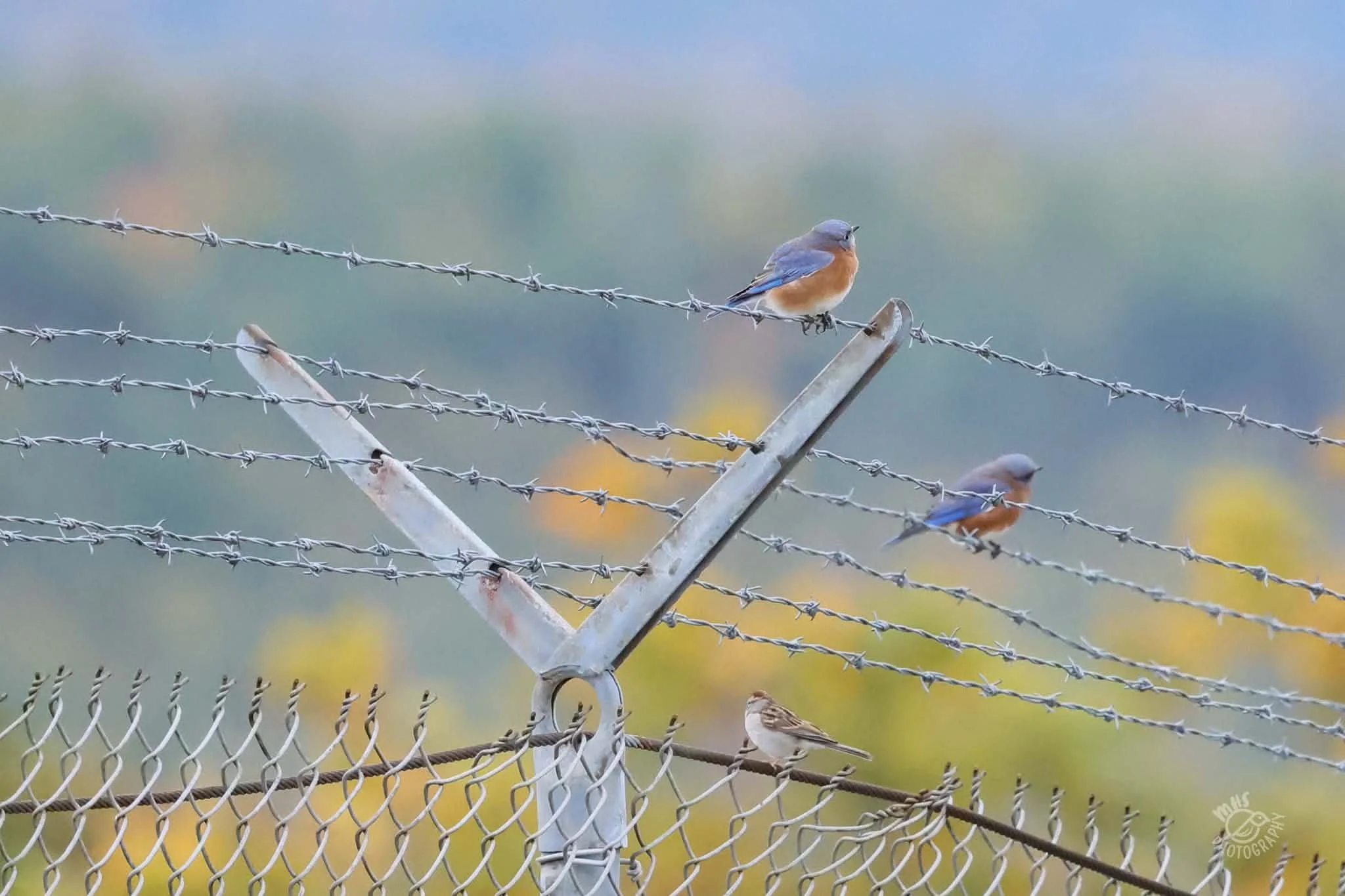
Back near the summit, a group of seven Eastern Bluebirds added a splash of color, along with another Northern Flicker and a Savannah Sparrow. We also picked up a Yellow-rumped Warbler, one of the hardier warblers that can still be found in Maine well into the fall.
Still looking for a break from the wind, we made our way down Sweetfern Trail to Ring Trail. The sheltered woods were noticeably more comfortable, although the birds were keeping a fairly low profile. We eventually climbed back toward the summit on Witch Hazel Trail, having explored several different habitats around the mountain.
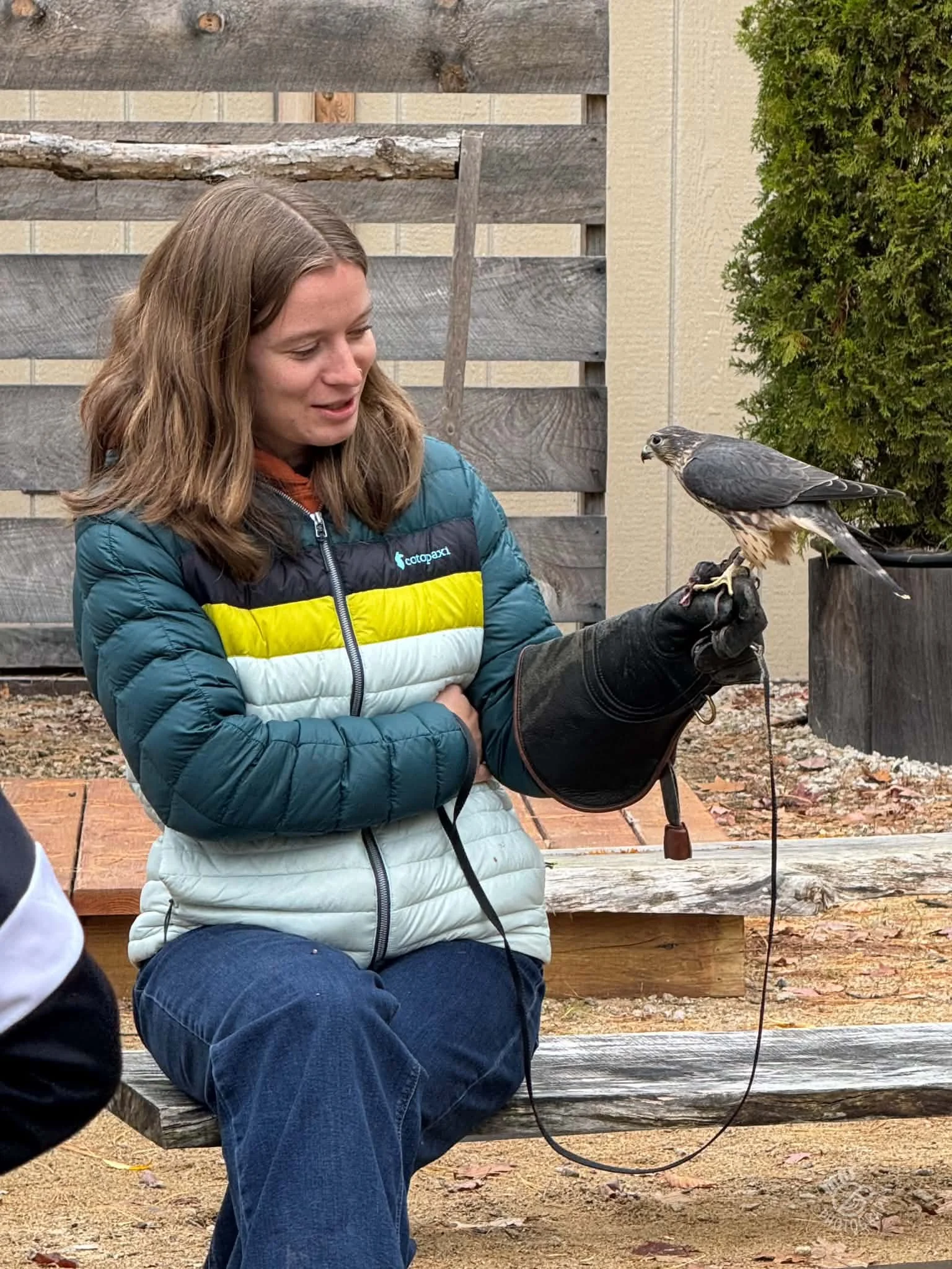
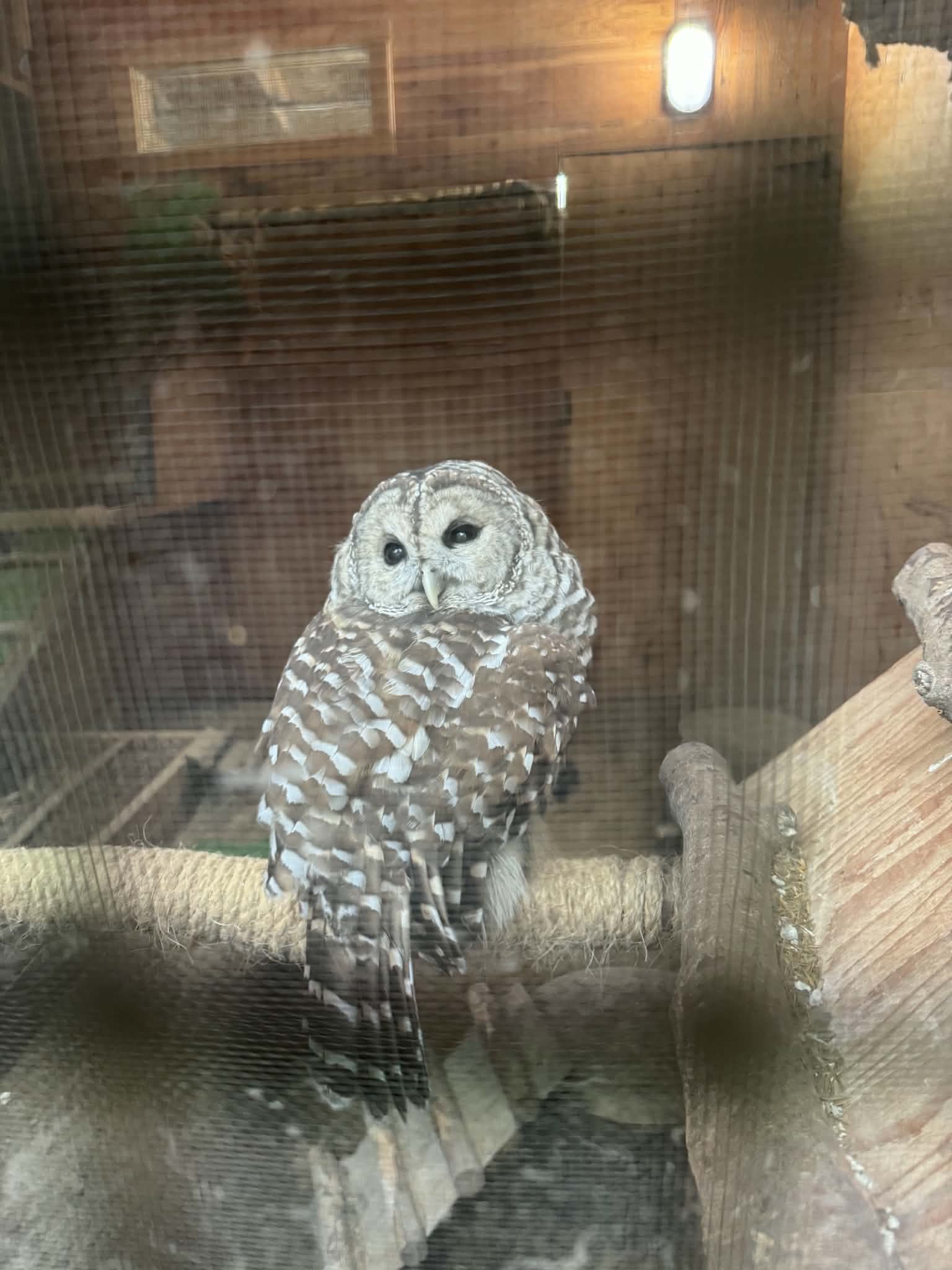
We wrapped up the morning with a visit to the nearby Center for Wildlife, always a favorite stop on our Mount A outings. The Center is a nonprofit wildlife rehabilitation and education organization dedicated to caring for injured and orphaned wildlife and helping people better understand and appreciate the animals that share our world. We explored the Nature Center and spent some time with the wildlife ambassadors in Ambassador Village.
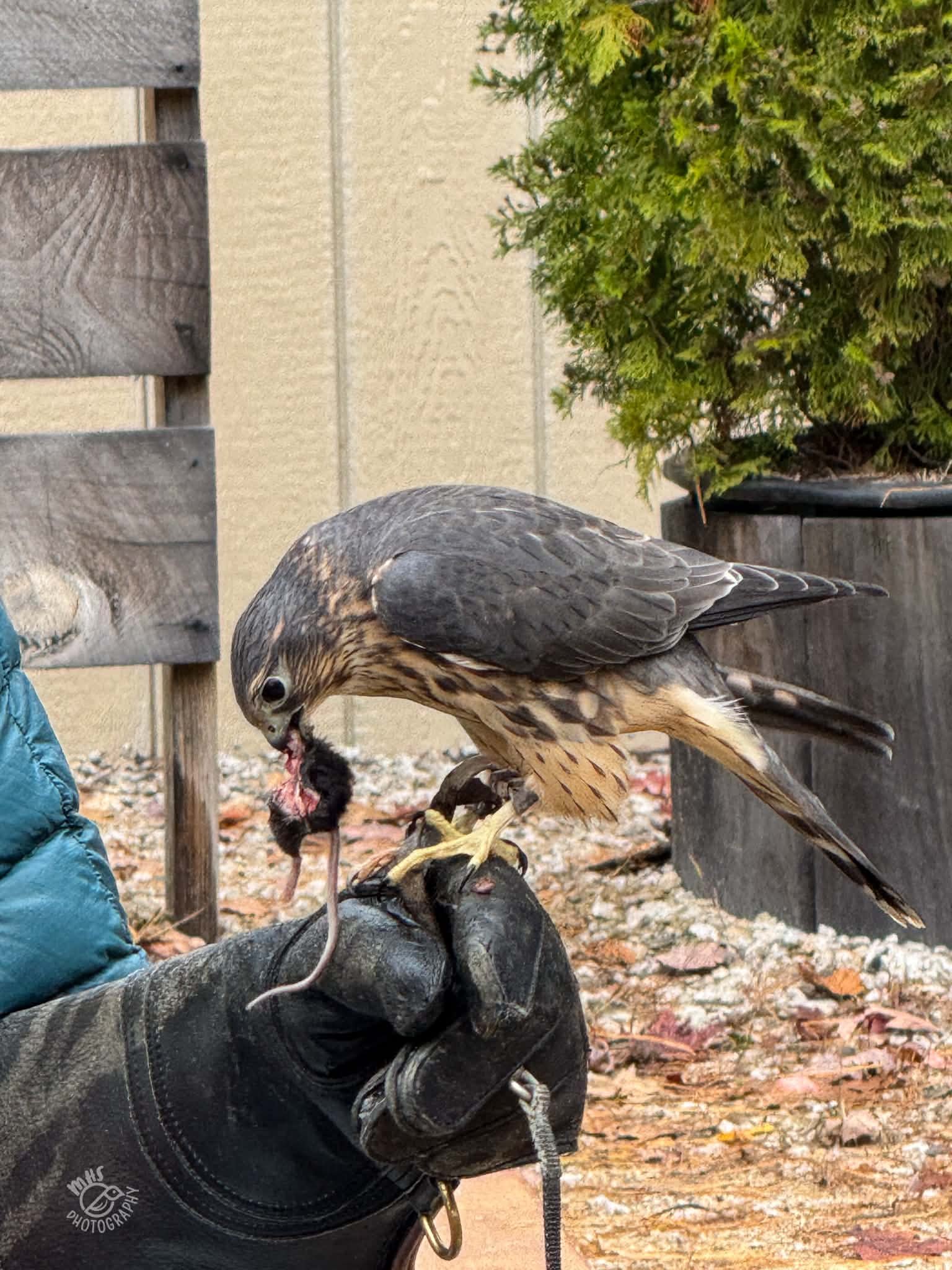
The highlight was Maeve, the resident Merlin, who treated us to a front-row seat for her lunchtime meal while perched on her handler's glove.
Merlins are small but mighty falcons, roughly the size of a Blue Jay and weighing less than a pound. They’re incredibly fast, agile hunters that specialize in catching small birds in flight. We also learned about the special notch in their beaks, called a tomial tooth, which works like a serrated knife to help them dispatch their prey.
While Maeve has a permanent home at the Center for Wildlife, wild Merlins migrate through Maine each fall. We may not have spotted one flying over Mount A, but getting to see Maeve up close was a pretty wonderful way to end the morning.
Our Birding Highlights
We finished the morning with 18 species, a nice mix of migrating raptors, fall sparrows, and familiar year-round residents.
Raptors on the Move: Turkey Vulture, Sharp-shinned Hawk, Cooper’s Hawk, and American Kestrel.
Fall Migration Favorites: Chipping Sparrow, Song Sparrow, Savannah Sparrow, White-throated Sparrow, Dark-eyed Junco, and Yellow-rumped Warbler.
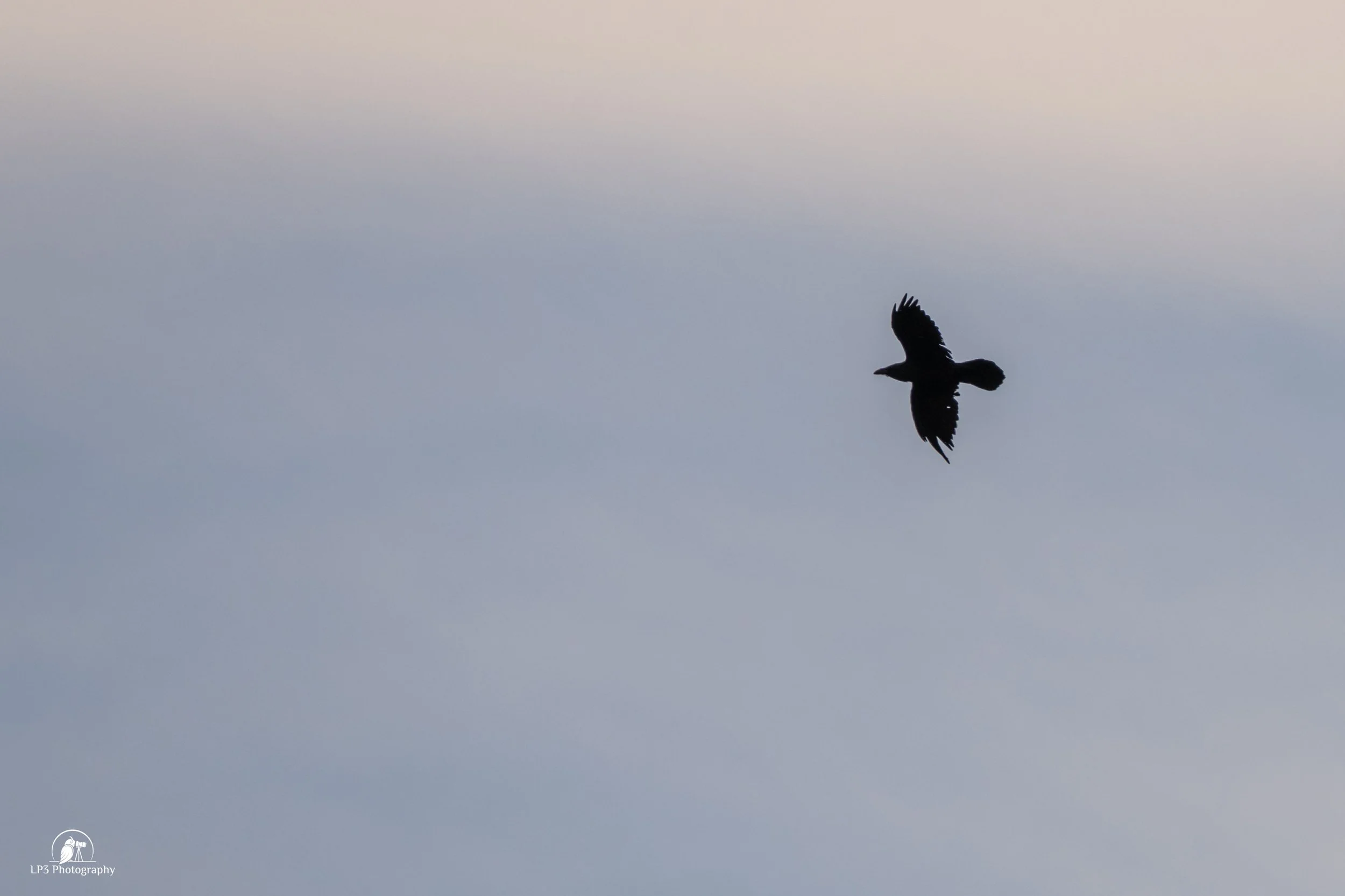
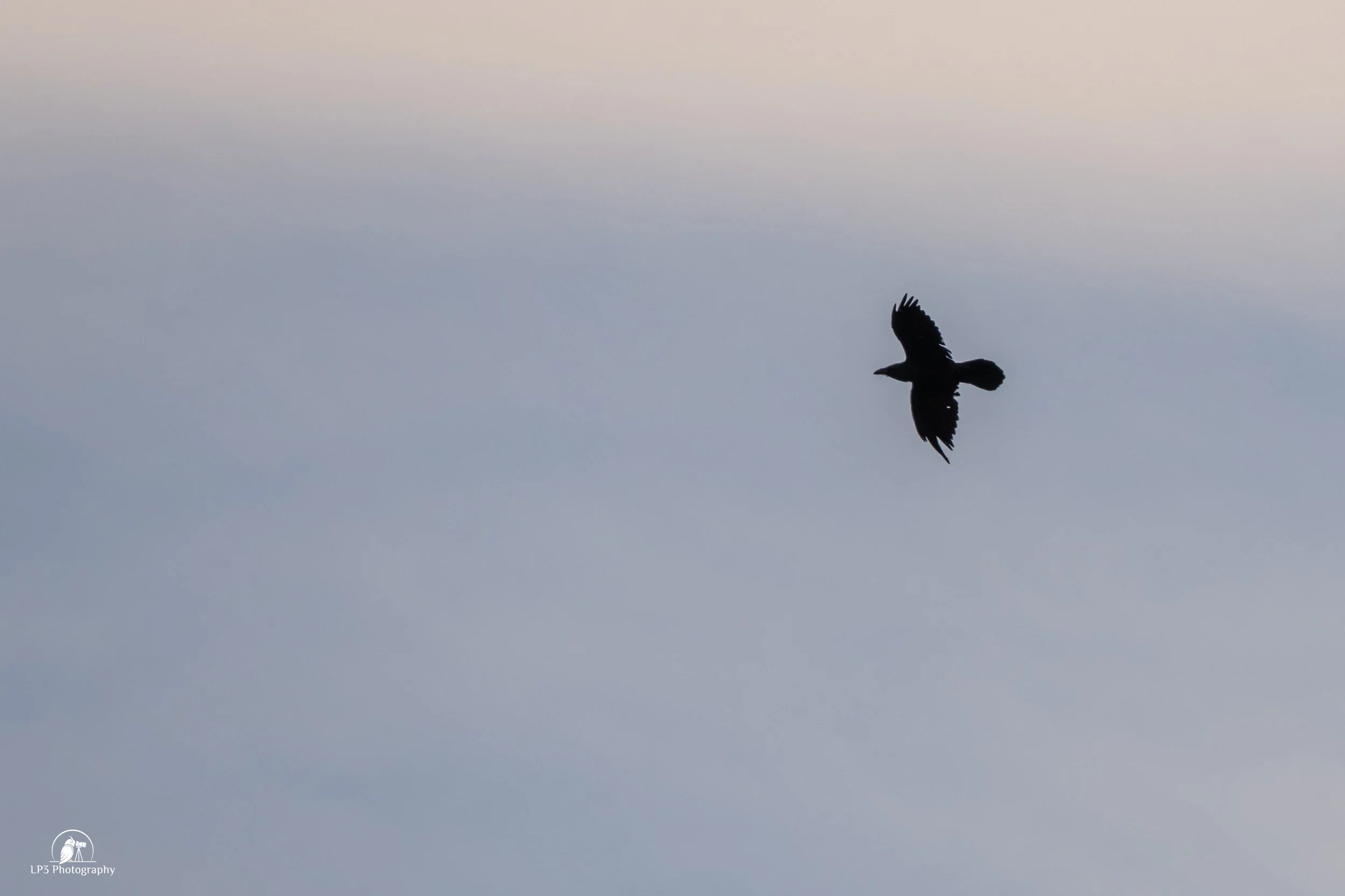
Other Birds Along the Way: Canada Goose, Double-crested Cormorant, Northern Flicker, Blue Jay, Common Raven, Black-capped Chickadee, Eastern Bluebird, and House Finch.
You can view our complete eBird checklist here: https://ebird.org/checklist/S403066582
It wasn’t quite the hawk migration spectacle we'd hoped for, but that's part of the fun of birding—you never know exactly what the day will bring. We got to explore Mount A, enjoy some fall birds, learn a little more about migration, and spend time with some remarkable wildlife ambassadors.
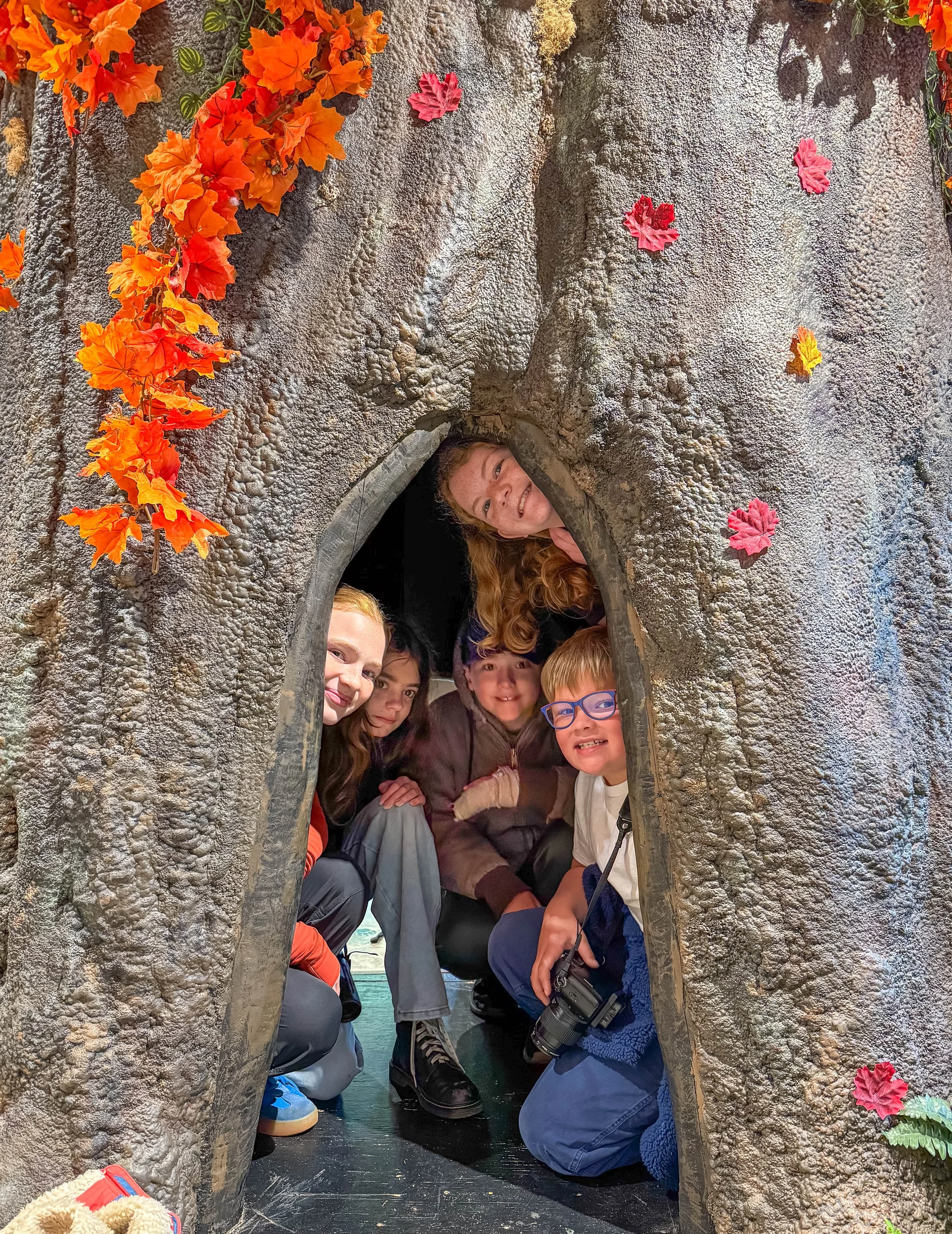
A big thank you to the Center for Wildlife for welcoming us, and to all our young birders who braved the cold and wind for another great MYBC adventure.
Stay tuned for our November trip announcement coming soo. Until then, happy birding!